Why do we actually watch racing? Is it for the cars, the drivers, the wheel-to-wheel action, or the thrill of competition? That’s what this year’s racing season has made me wonder so far.
BOP: A Necessary Evil?
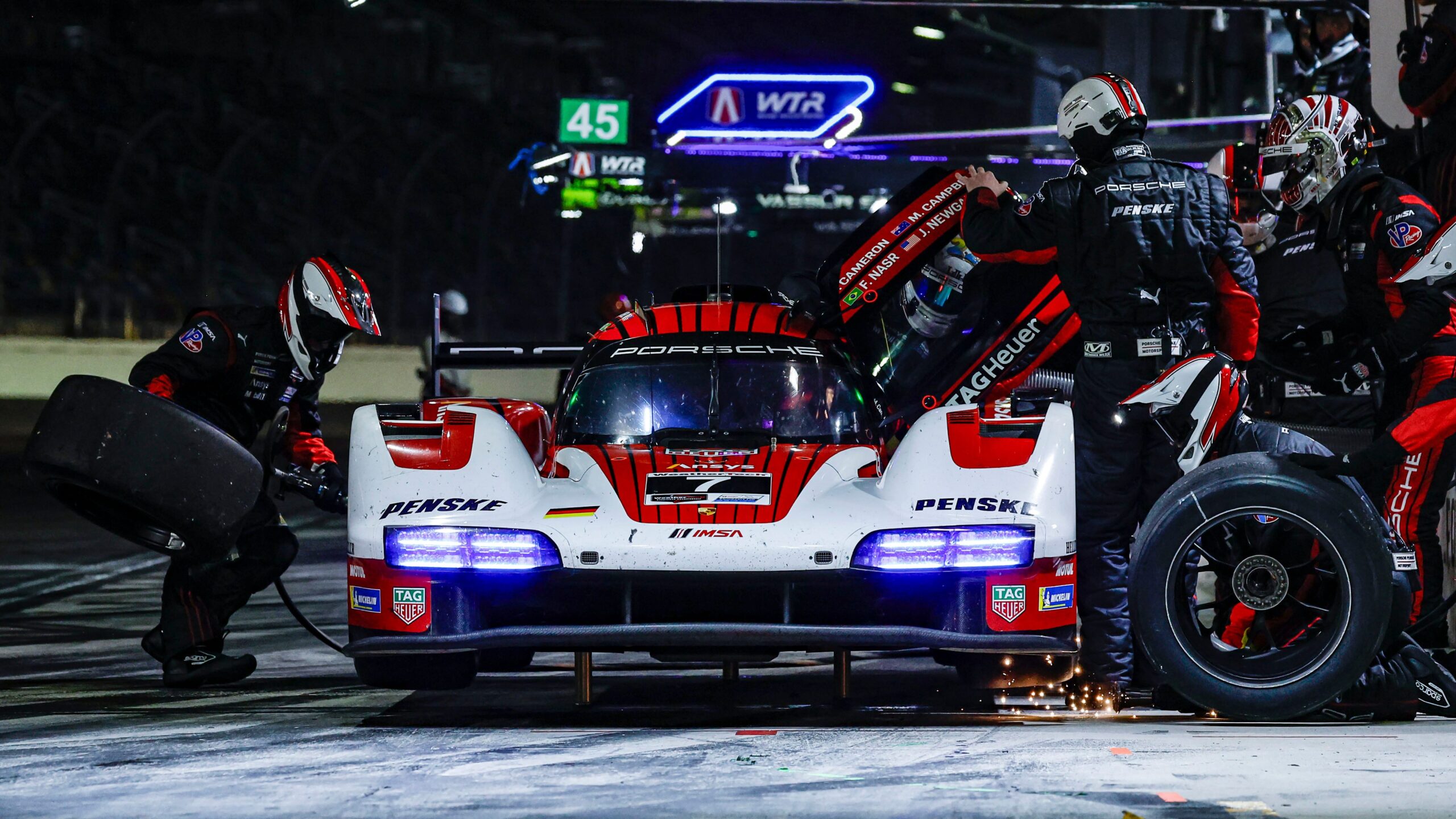
Porsche Penske has dominated the start of this year’s IMSA season, just like last year.
IMSA has been my favorite racing series for the last few years. The cars look and sound great, the tracks are historic, and the racing is exciting. The Balance of Performance system attempts to get the cars into the same “performance window” (similar pace). The cars are designed to meet a very tight set of regulations, and their weight and power are adjusted to equalize their pace. Most manufacturers in IMSA are there because of BOP’s promise of a level playing field. The obvious problem with a system like this is that the fastest cars must be slowed down, and vice versa, creating a strange situation in which teams use as little speed as they need to win. In the GT classes, the racing is usually great, and there isn’t much BOP drama.
But the premier GTP class has been the subject of considerable controversy. The Porsche Penske team has dominated the GTP era so far, easily winning the first two races of the 2026 IMSA season. After winning the 24 Hours of Daytona, the 963’s BOP rating was nerfed for Sebring. But Sebring was another Porsche steamroller. Porsche Penske seemed to have no reservations about showing their true pace, as they pulled ahead on every single restart and could lift and coast into corners while their rivals pushed hard to try and catch up. Now, for next week’s Long Beach GP, the Porsches have been hit with a massive 100-pound weight increase and a significant power reduction.
While Porsche needed to be slowed down, this feels like IMSA is punishing Porsche far more than necessary. This isn’t a fun storyline to follow. Some are angry with the BOP system for punishing the best car, and others think that Porsche should have been nerfed earlier. The worst thing about this situation is that it already happened last year. In 2025, Porsche Penske won the first four races of the season easily, before being nerfed and not winning for the rest of the season. IMSA doesn’t seem to have learned from its mistakes.
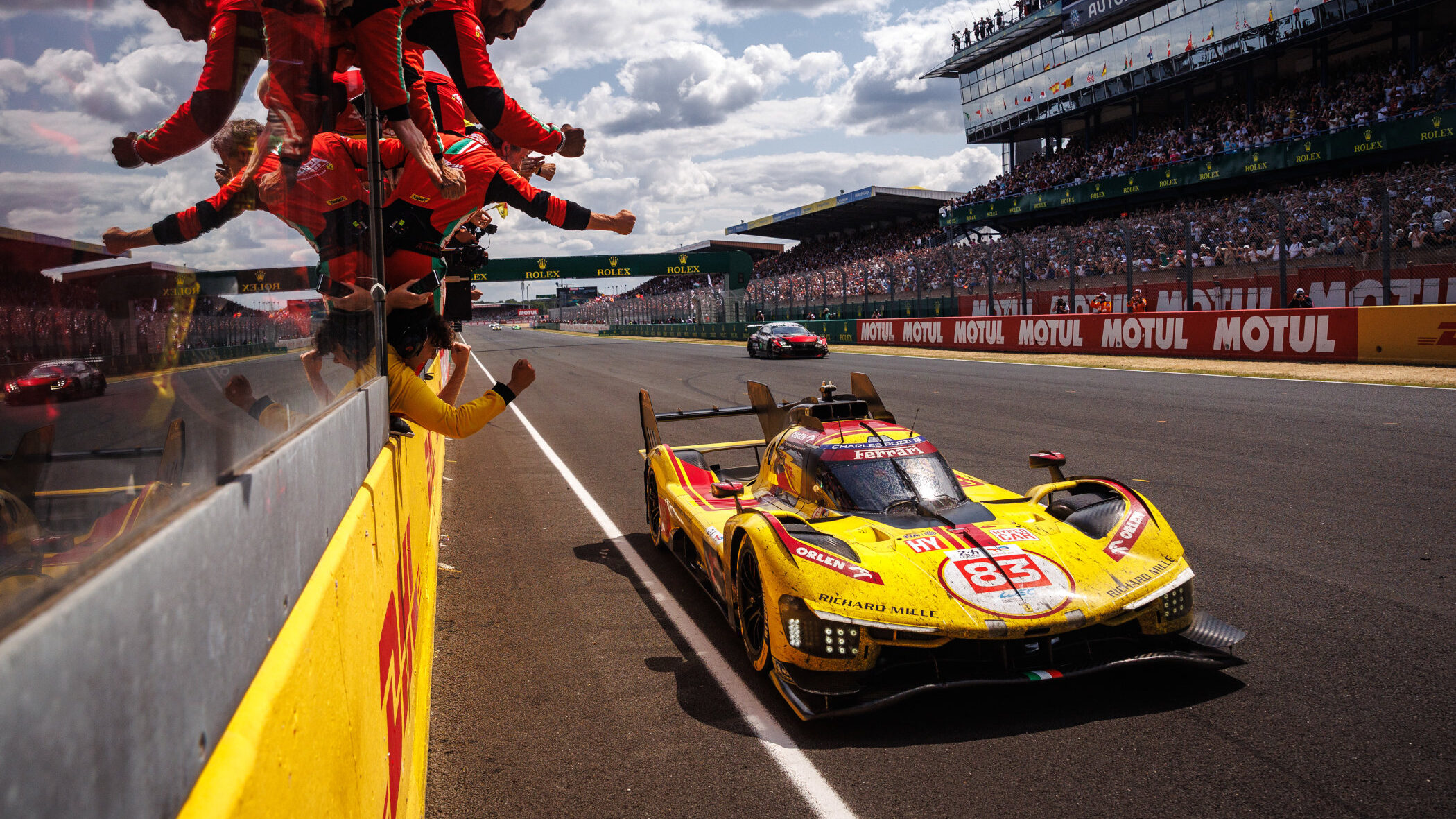
Ferrari won Le Mans easily last year, which caused more controversy over BOP.
And the World Endurance Championship, which runs the same spec prototypes (known as Hypercars), has had the same BOP issues. Ferrari has arguably built the best car in the WEC. A two-stage power system was introduced after 2024’s Le Mans to remove the Ferraris’ significant top-speed advantage. But the Ferraris somehow got an increase in high-speed power in 2025, and they ran away with the win. This made Porsche Penske angry, as they felt the #6 963 had run a perfect race but couldn’t keep up with the Ferraris because of BOP. As a fan, I don’t want to only think about BOP, but it’s usually the most important factor in these races.
There have been great races, but it’s very jarring to see a car that won the last race so easily struggle to finish fifth. And fans argue about BOP every race, and why their favorite team was fast or slow. Toyota seemed to get an unfair BOP rating for most of 2025. Peugeot was significantly slowed down for Le Mans, apparently due to the ACO’s past anger over Peugeot’s 2011 exit. Even rumors of politics like this are concerning, and hamper my enjoyment of what would otherwise be great racing. But any system designed to hold back the best so other teams can catch up will always be controversial. In a series without BOP, if a team is the best, then they win, and that’s that (unless they cheated). As legendary designer Peter Brock put it, these series are now “Racertainment”. The racing is still real, but BOP is there, and we know it. Ironically, the fans who know the most about these series probably enjoy them less.
(Update 4/16) The ACO and FIA, which set the BOP for each race, have announced they will no longer release BOP numbers to the public. They claim that the BOP is too complex for fans to interpret without the unreleased homologation parameters, so releasing it would only cause confusion. As we all know, the best way to stop speculation and conspiracy theories is to announce that you’re hiding the most important information (I hope you realize I’m being sarcastic).
Innovation And Overcomplication
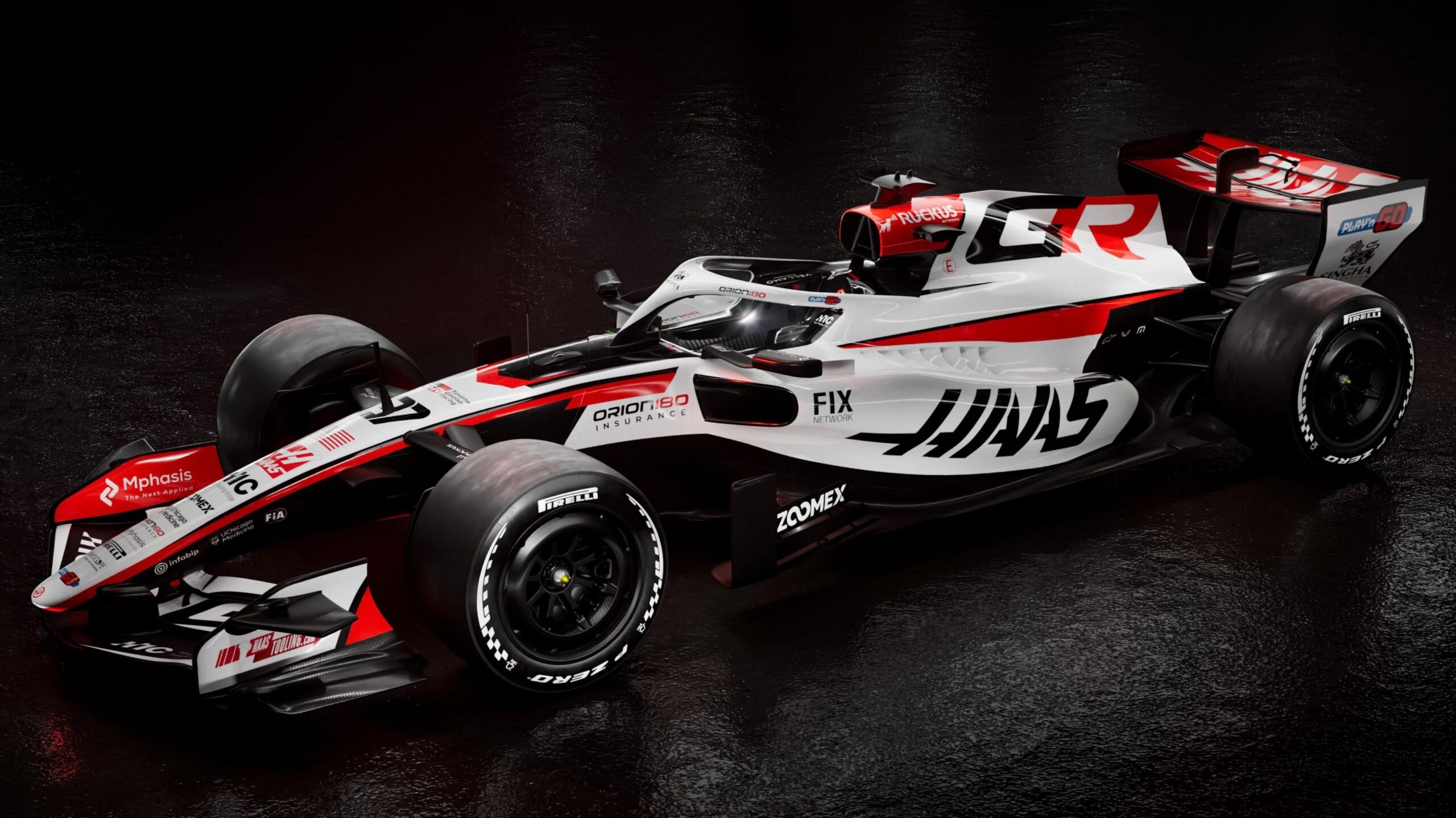
It’s a damn shame that these new 2026 F1 cars are such a mess, because they look great. Imagine this with a V8.
F1 now stands out as one of the few major racing series that still has real innovation and interesting storylines. But the new 2026 cars are a bizarre, counterintuitive mess. The regulations were designed to attract Audi to F1 and to keep several other manufacturers in the sport. These manufacturers wanted a 50/50 power split between the battery and engine. This means that the 2026 F1 cars have to slow down constantly to recharge their batteries, even in qualifying. But the first race was exciting in the early laps, with a back-and-forth battle that hadn’t been seen in F1 for years.
The problem was that, if you watched from on board, the cars were driving well below the limit, and the moves were dictated by battery charge levels. Some enjoyed the race while others hated it. I did enjoy the beginning of the race; just seeing cars go wheel-to-wheel was great after several years of watching a driver shove their way into the first corner and drive off to the win. But now we have cars that are controlled by software as much as the pedals. The FIA is hosting talks to discuss solutions to the 2026 car’s problems, but back-and-forth passing is not among them. F1 promoted the huge increase of overtakes at this year’s Australian GP, but if the overtakes were due to cars running out of battery, does it matter?
I don’t want overtaking to become some quota that has to be met to have a “good” race. It’s like telling soccer players to kick the ball around more to make the game more exciting. Overtakes are not created equal, and some of racing’s greatest battles didn’t even end in an overtake. Every racing series understandably wants competitive parity, and most have taken drastic steps towards it. Ever since series like DTM bankrupted themselves in the 90s, cost management has been a huge factor in racing. Modern race cars are incredibly expensive, and cost caps are used to prevent teams from going bust. NASCAR has the spec Next-Gen car, where the cars are identical except for the engines. IndyCar also has spec cars. Manufacturers don’t want to be steamrolled by a dominant rival. And while the close racing is usually exciting, I believe it has caused a new issue.
What It’s Really All About
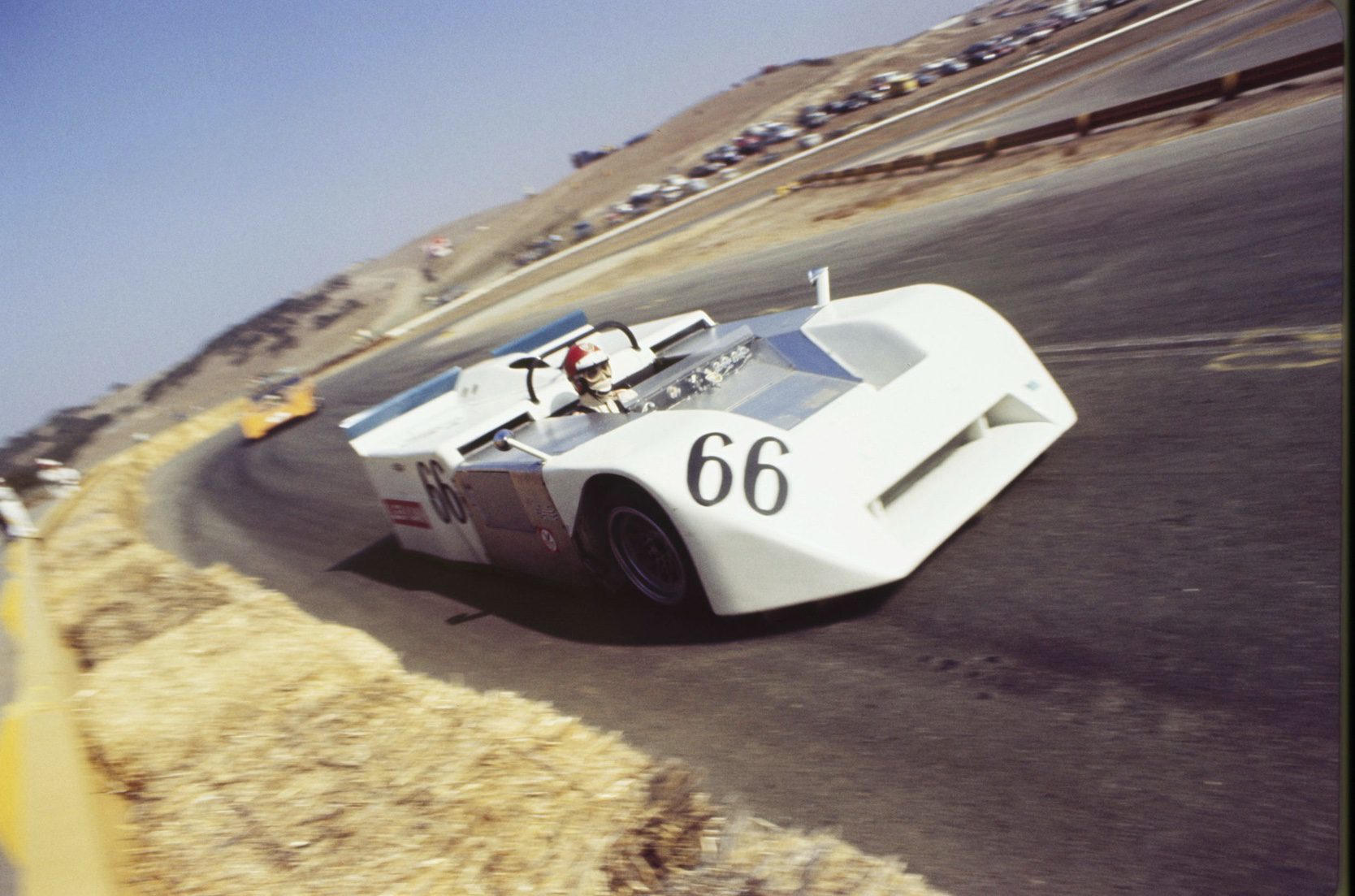
Racing in the old days wasn’t close; races were usually won by minutes, not seconds. But the storylines were fascinating every year, and there was so much innovation.
If you are a longtime fan or a history nut like me, you know the stories, the characters, and the innovations also make racing special. And I think that the goal of putting on a good show, or at least the current series’ idea of one, has stopped many great stories. Brilliant designers like Jim Hall, Peter Brock, Colin Chapman, or Gordon Murray would be bored by designing a new racecar under today’s tight regulations. Privateers like Alain De Cadenet couldn’t have built their own cars for Le Mans today. The long history of clever engineering tricks in NASCAR ended with the introduction of the spec Next-Gen car. F1 drivers can’t drive a legendary race when software controls their engine deployment.
There are just far fewer interesting stories to tell in the current world of racing, at least in my opinion. But there is still demand for stories in racing, as seen in the massive success of F1’s Drive to Survive show (even if the stories are usually reality-TV drama) during a period when Mercedes dominated. I don’t want to act like there aren’t plenty of important reasons why the major series have pursued parity. Cost management and fan engagement alone are massive. Dominance is obviously unpopular. It’s a different era, and these established series probably don’t care about subjective opinions based on the past. If any major shakeup happens, it will come from a new series. In terms of numbers, racing is in a golden period. F1 is more popular than ever, and most series are setting attendance records. But what can really be said about this era in the future, besides the on-track action? The overtakes may be the standout, but overtaking isn’t everything. As Tony Stewart put it:
If you want to see passing, we can go out on (Interstate) 465 and pass all you want. This is about racing. This is about cars being fast. It doesn’t have to be two- and three-wide racing all day long to be good racing. Racing is about figuring out how to take the package you’re allowed and make it better than what everybody else has. – Tony Stewart