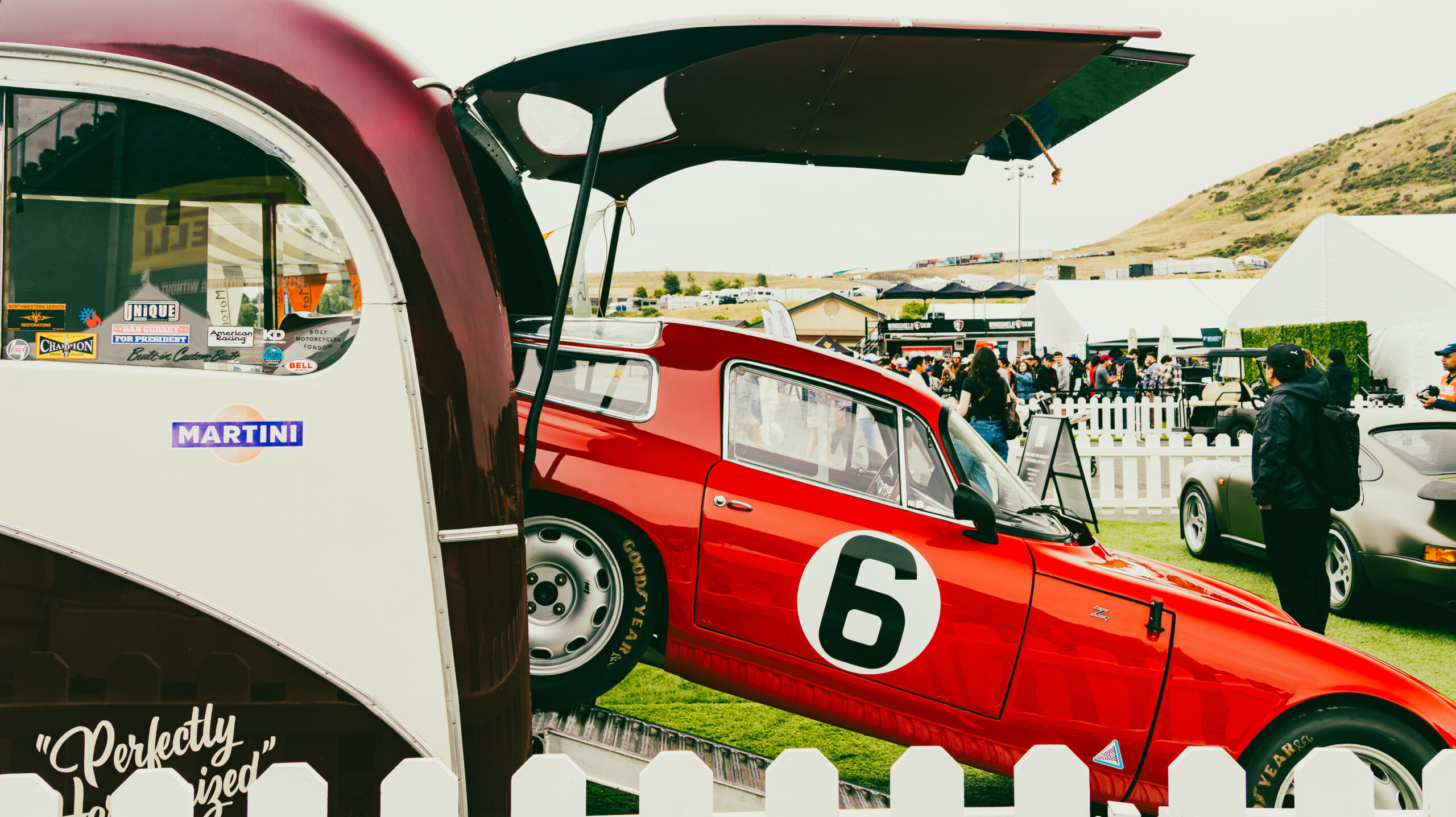
The Velocity Invitational has only been around since 2019, but has quickly become one of the world’s best car events. After several years of missing out, I finally went to Sonoma Raceway to experience Velocity for the first time last weekend. The event is mostly focused on historic racing. Unlike its rival, the 50-year-old Monterey Motorsports Reunion, Velocity also features many modern cars, especially supercars. The Reunion has more cars and racing classes, but Velocity has some cars you won’t see anywhere else. At events like Velocity, there are so many incredible cars and so much happening constantly that it becomes overwhelming. I felt like I had just enough time to see everything, even in two days. There were dozens of cars I could have written about, but I chose eight of my favorites.
2014 CORVETTE C7R
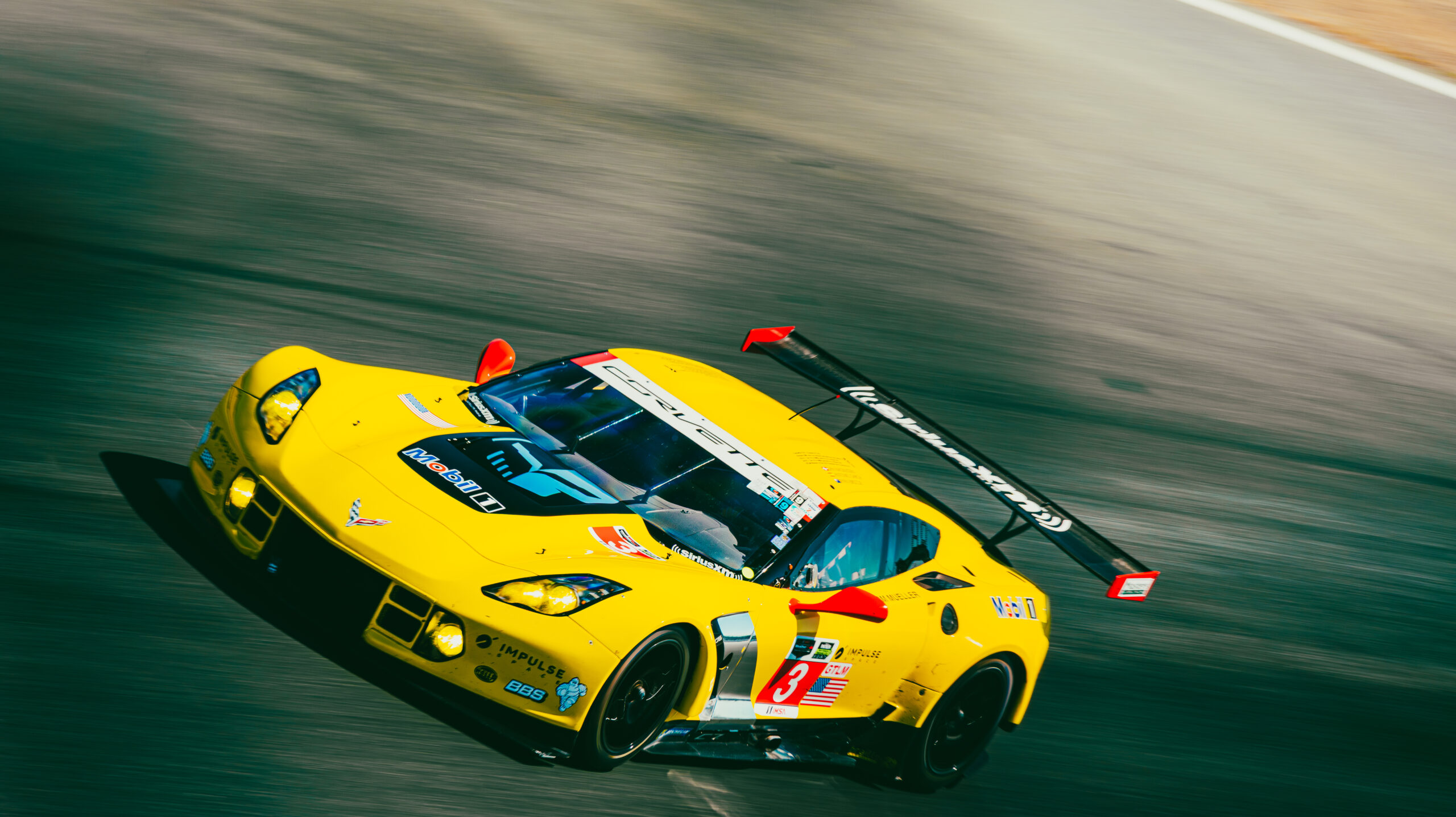
I’ve seen racing Corvettes before, but this was my first time seeing a legendary bright yellow Corvette Racing machine. While the mid-engine Corvettes are excellent cars, the front-engined cars will always be my favorite. This C7R roared under the bridge in turn 1, downshifting with a crack. The C7R is the last front-engine racing Corvette, built for IMSA’s GTLM class, where it won the title three times against opposition from Porsche, Ford, Ferrari, and BMW. Powered by a glorious 5.5-liter V8, the C7R roars, unlike the new C8’s Ferrari-esque sound. The C7R used the same formula as the old-school Corvette racers, but with lots of new tech, including an advanced rearview display showing the position and delta to cars behind it. There’s a great onboard video of the system in action during the Daytona 24 Hours. This car had a very successful career. In 2014 and 2015, Antonio Garcia and Jan Magussen competed in 19 IMSA races with this car, winning at the Daytona 24 Hours, Sebring 12 Hours, Long Beach, Laguna Seca, Ontario, and Watkins Glen. It raced at Le Mans in 2014 and finished fourth.
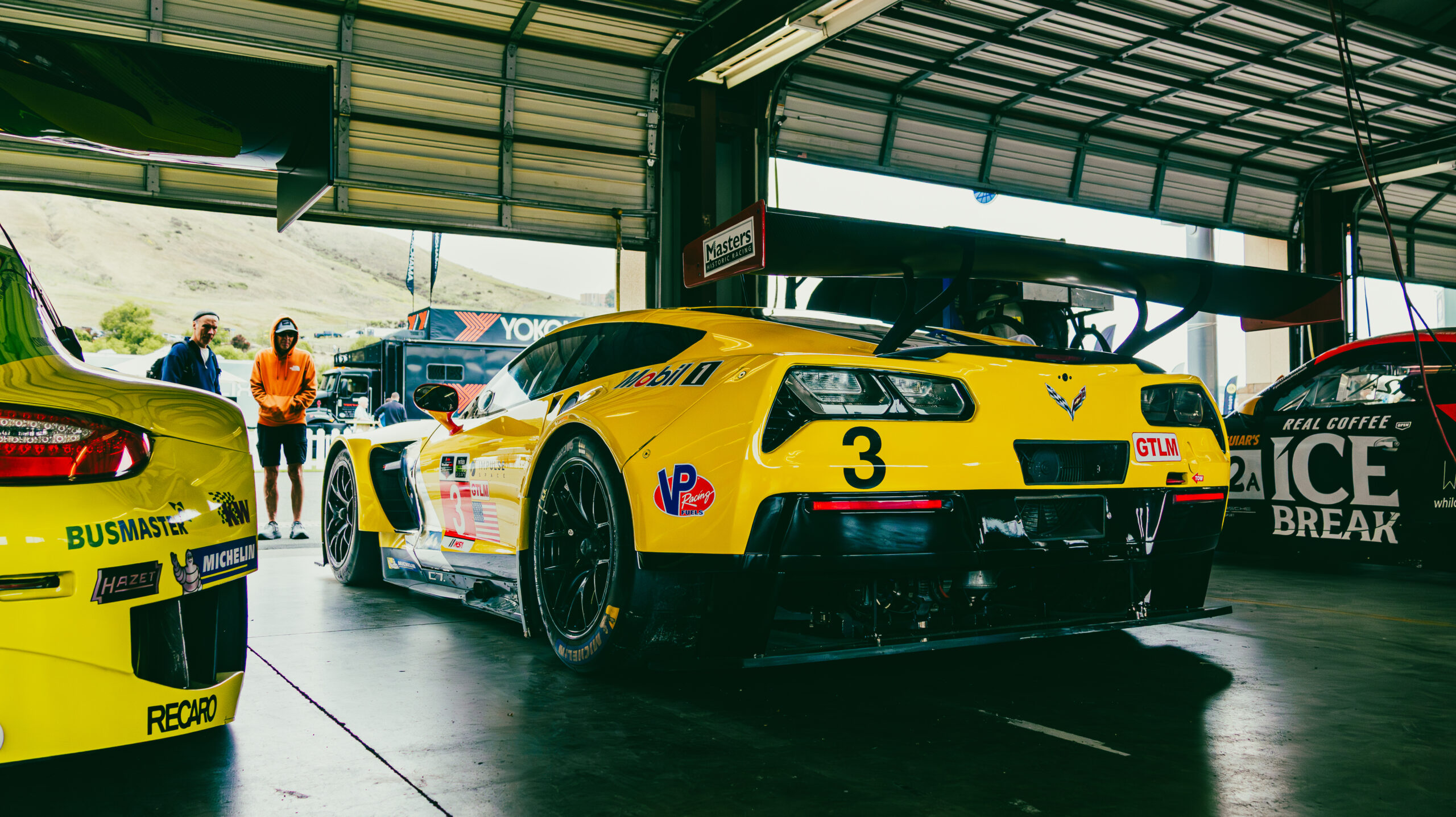
The design of the C7R has just the right mix of curves and angles.
This car had a very successful career. In 2014 and 2015, Antonio Garcia and Jan Magussen competed in 19 IMSA races with this car, winning at the Daytona 24 Hours, Sebring 12 Hours, Long Beach, Laguna Seca, Ontario, and Watkins Glen. It also raced at Le Mans in 2014 and finished fourth. During the race at Velocity, it finished third, chased all the way by a new Ford GT racecar.
1957 FERRARI 250 TESTAROSSA
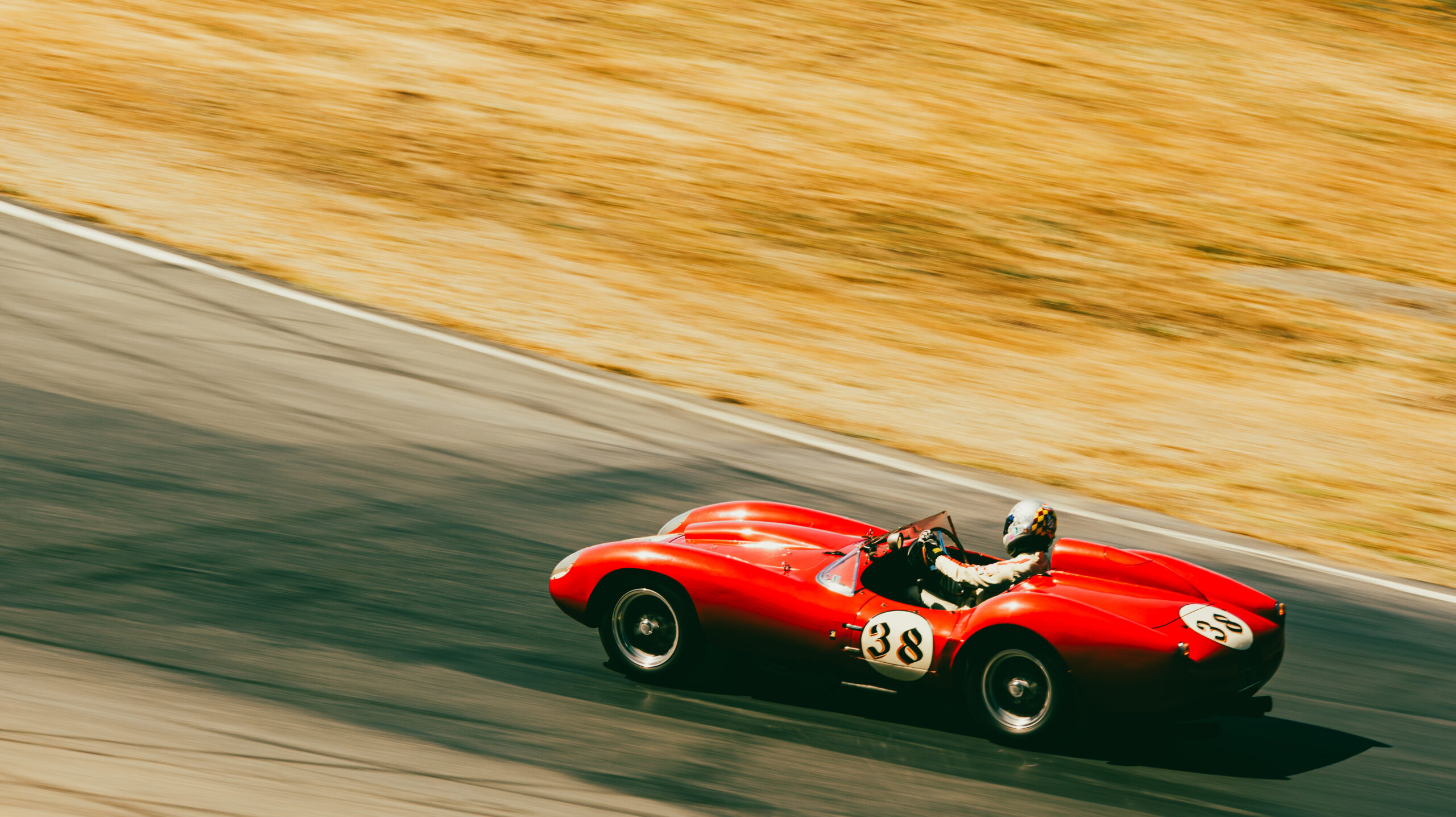
The 250 GTOs may have gotten more attention due to their famously high values, but this 250 TR is the best example in the world, and according to some, the best Ferrari in the world. When displacement for World Championship sportscars was limited to 3 liters in 1957, Ferrari installed the “Colombo” V12 in the 500 TR chassis. The 250 TR was Ferrari’s most successful racecar, winning Le Mans, Sebring, and the World Championship three times, along with dozens of other wins by privateers. The Testarossa (red head) name was coined by Enzo, after the red cam covers. This car, Chassis #0704TR, is only the second 250 TR built, originally as a prototype. It was the first 250 TR with the “pontoon fender” body for brake cooling. #0704TR raced at Le Mans in 1957, as a practice run for next year, where it would fight for the overall win.
In 1958, #0704TR was driven by Ferrari’s best: future F1 champion Phil Hill, Le Mans winner Olivier Gendebien, Peter Collins, and F1 champion Mike Hawthorn. As one of only five works cars, it was upgraded with a De Dion rear axle instead of the live axle used on the customer cars. Hill and Gendebien won the 1958 12 Hours of Sebring and the Buenos Aires 1000 KM in this car. #0704 was then converted to the more aerodynamic “envelope” body. At Le Mans, it was driven by Hawthorn and Collins, but they didn’t finish. After the 1958 season, it was sold to John Von Neumann in California, where he raced it, along with his stepdaughter Josie and ace drivers such as Richie Ginther and Masten Gregory.
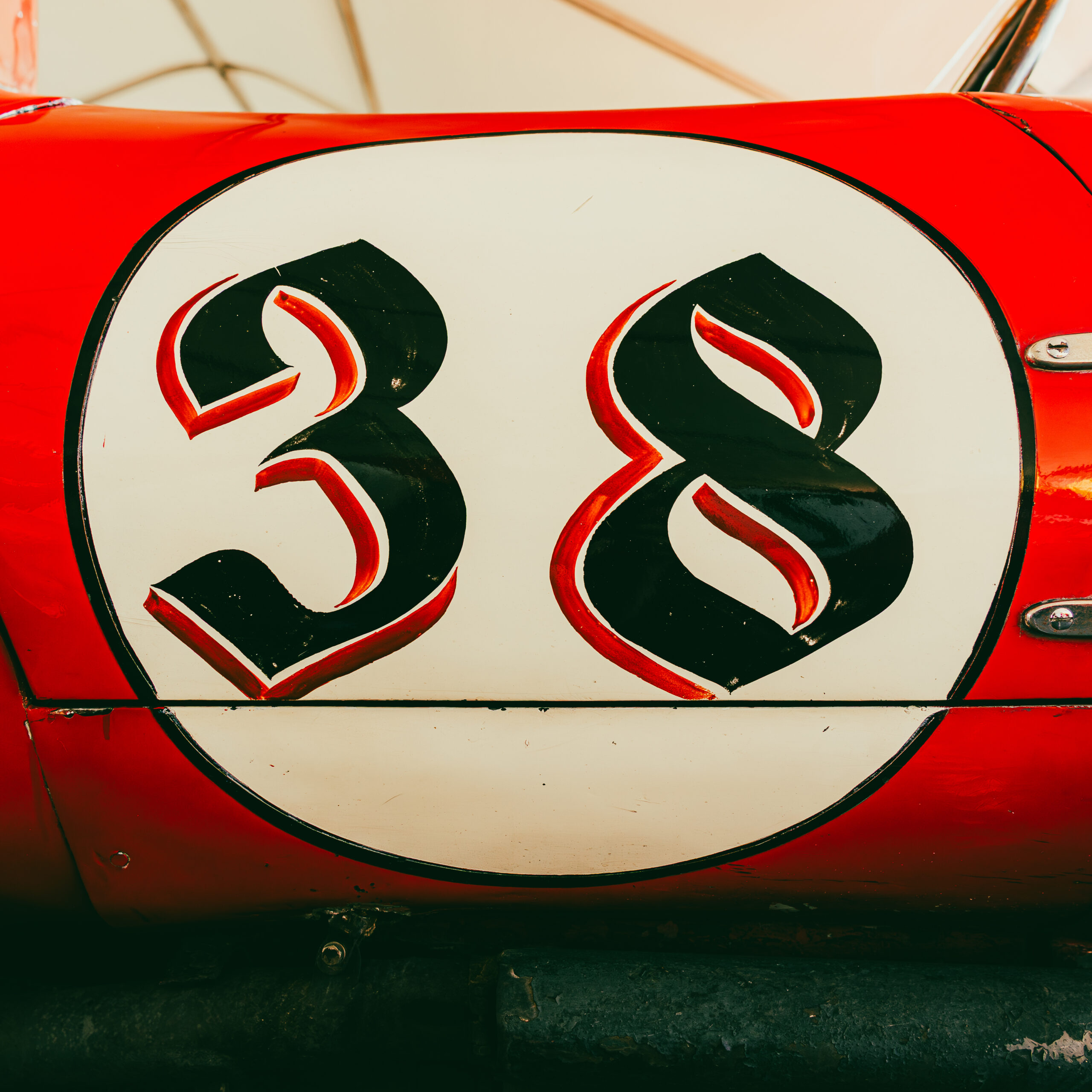
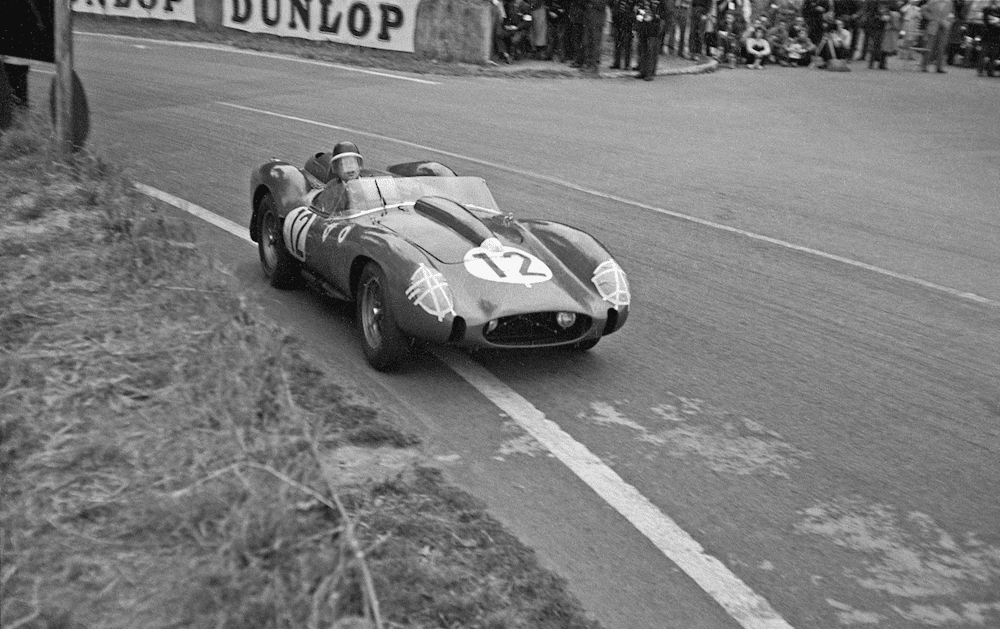
#0704TR has never been restored, making it a truly unique car. Right: Mike Hawthorn in #0704TR at Le Mans in 1958.
Importantly, #0704TR was never heavily damaged during its racing career. In 1967, it was donated to the Henry Ford Museum, where it sat for thirty years. In 1997, a collector swapped #0704TR for an antique Locomobile. #0704TR has since spent time in some of the world’s best car collections, and it was sold to its most recent owner in 2024. The sale price was undisclosed, but it was likely over $40 million. #0704TR is the only unrestored 250 TR, still wearing the gothic #38 from the 60s. No other 250 TR, or any other Ferrari, has the provenance, originality, and documented history of this car. So watching it race on track was amazing. It spent the race at the back of the field, probably out of caution, but I admire the owner for not just showing his irreplaceable car but also racing it. For me, this was the standout car of the event.
1969 PORSCHE 908/02 “FLUNDER”
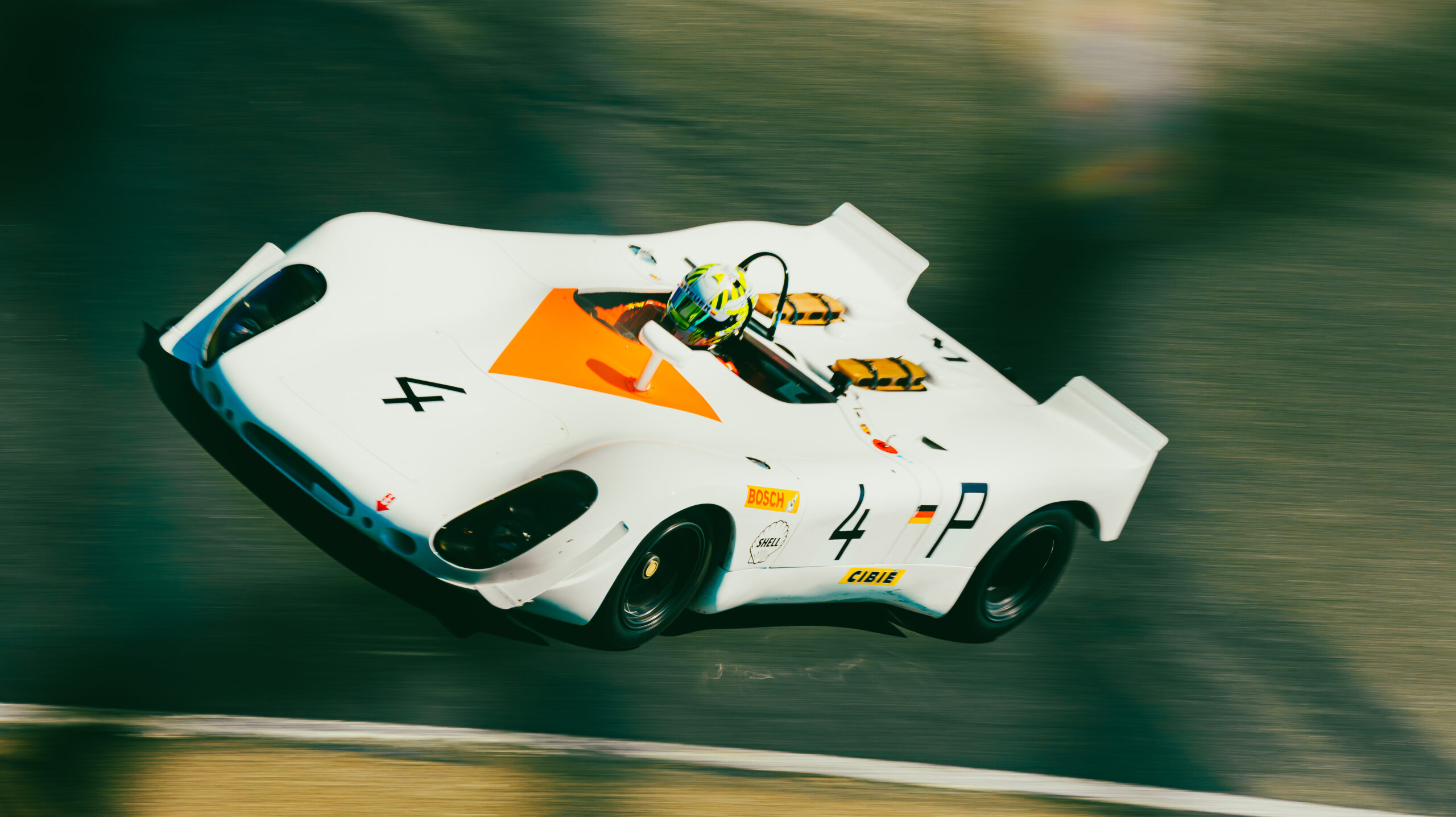
The 908 was a very important car for Porsche. After years of class wins, the 3-liter flat-eight 908 was designed to compete for the overall win. Between the 908 and 917, Porsche went from the giant killer to the giant. The original 908 was a coupe, and a special Langheck (longtail) was designed for Le Mans, Daytona, and Spa. The 908 had many issues during the 1968 season, so Porsche’s engineers designed a new Spyder version for 1969. The Spyder was a good car, but Porsche’s engineers quickly developed an improved 908 Spyder, known as the Flunder (flatfish) for its lower profile. The Flunder was 200 pounds lighter than the 908 coupe, and it debuted at the 1969 Nurburgring 1000KM, where 908s finished 1-2-3-4-5. Porsche won seven World Championship races in 1969, and five of those were won by Jo Siffert and Brian Redman in a 908 Flunder.
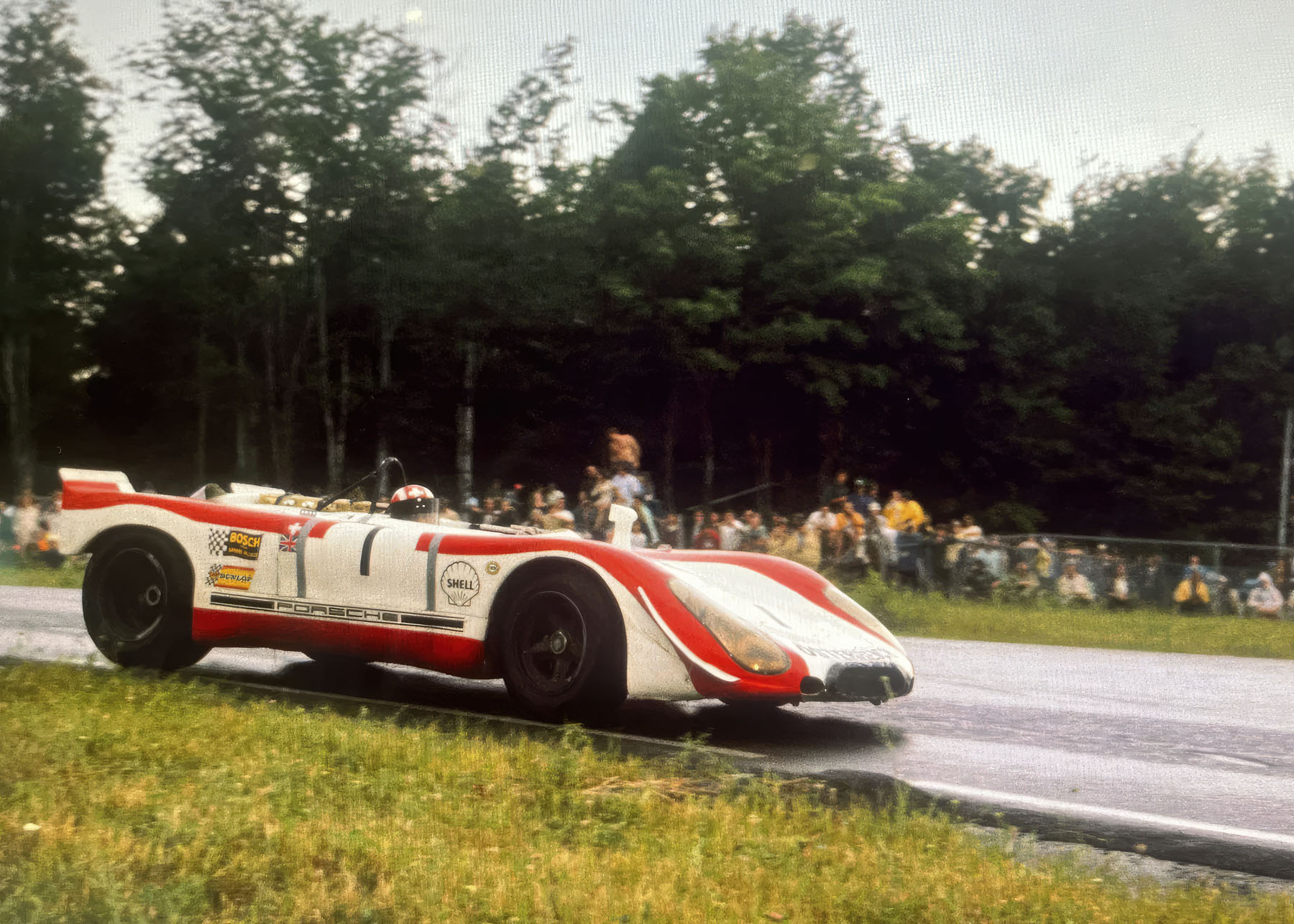
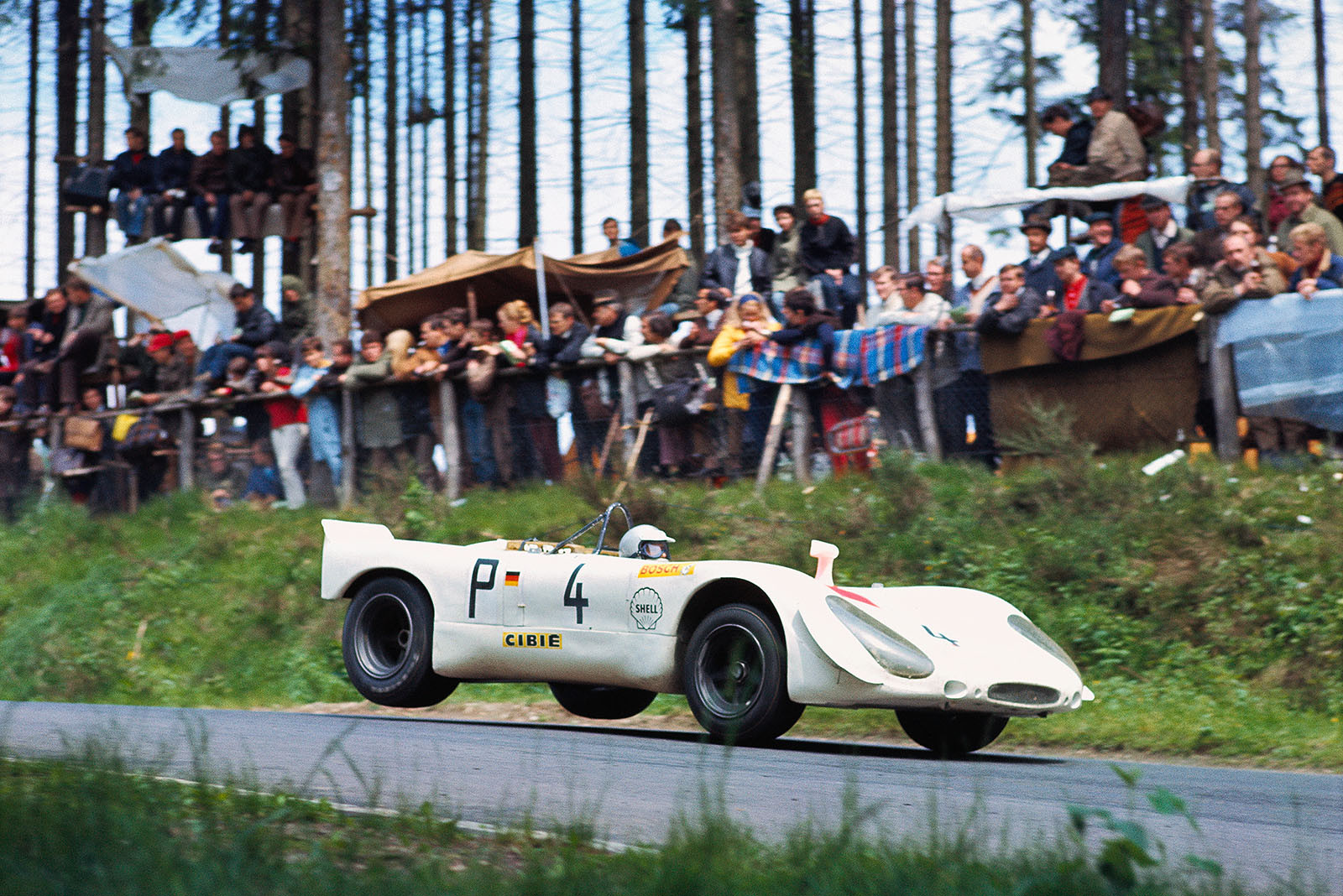
Left: Jo Siffert drives this 908 Flunder at Watkins Glen. Right: The 908 goes airborne at the Nurburgring 1000KM.
This car debuted at the 1969 Nurburgring 1000KM, where it finished second. At Watkins Glen later that year, Siffert and Redman won the 6 Hour endurance race in this car, and finished fifth in the Can-Am race despite being down on power to the massive V8 monsters. After 1969, Porsche shut down their factory team, and John Wyer’s Gulf Racing team entered the 917 and new ultralight 908/03. The 908s were sold to privateers and remained competitive for several more years. This 908 now wears its 1969 Nurburgring livery.
1988 BUICK REGAL NASCAR
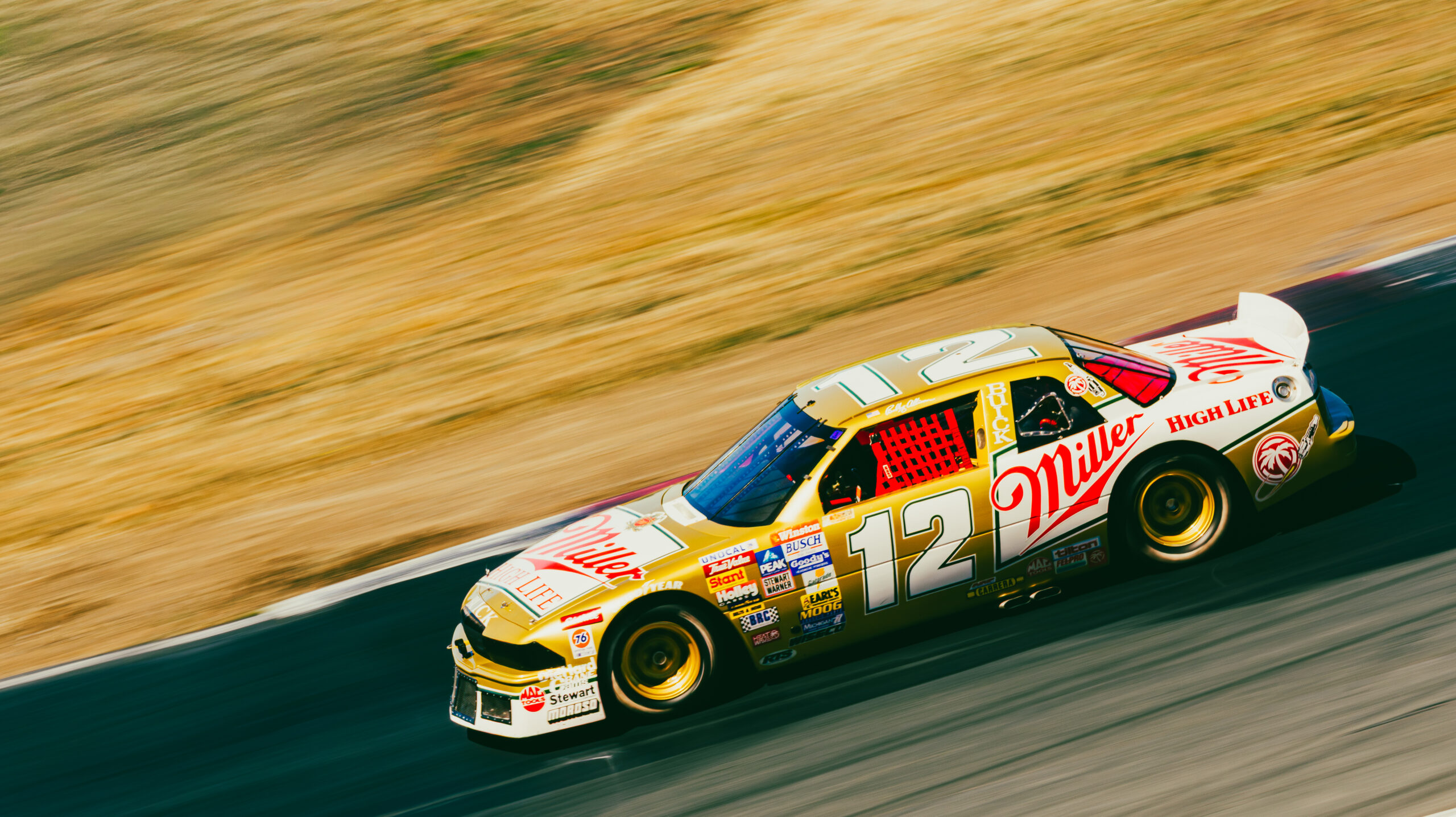
This beast has been my favorite NASCAR ever for a few years. And seeing it in person only confirmed that. Every Miller livery was great, but the gold, red, and white High Life scheme is unbeatable. This car was driven by the legendary Bobby Allison in his final season. Allison was part of the “Alabama Gang”, along with his brother Donnie and Red Farmer. The most iconic moment of his career was a fistfight with Cale Yarborough at the 1979 Daytona 500, seen by a huge TV audience. That race was NASCAR’s breakthrough moment, when it finally joined the mainstream.
When Allison raced this car, he had been racing in NASCAR since 1965, but he was still a potential race winner at 50. This car is associated with the highest and lowest moments of his career. He won the Daytona 500 in 1988, just beating his son Davey. During the Miller High Life 500 later that year, Allison was involved in a serious accident on the first lap. He was declared dead, but doctors saved him, and he made an amazing recovery in the next few years.
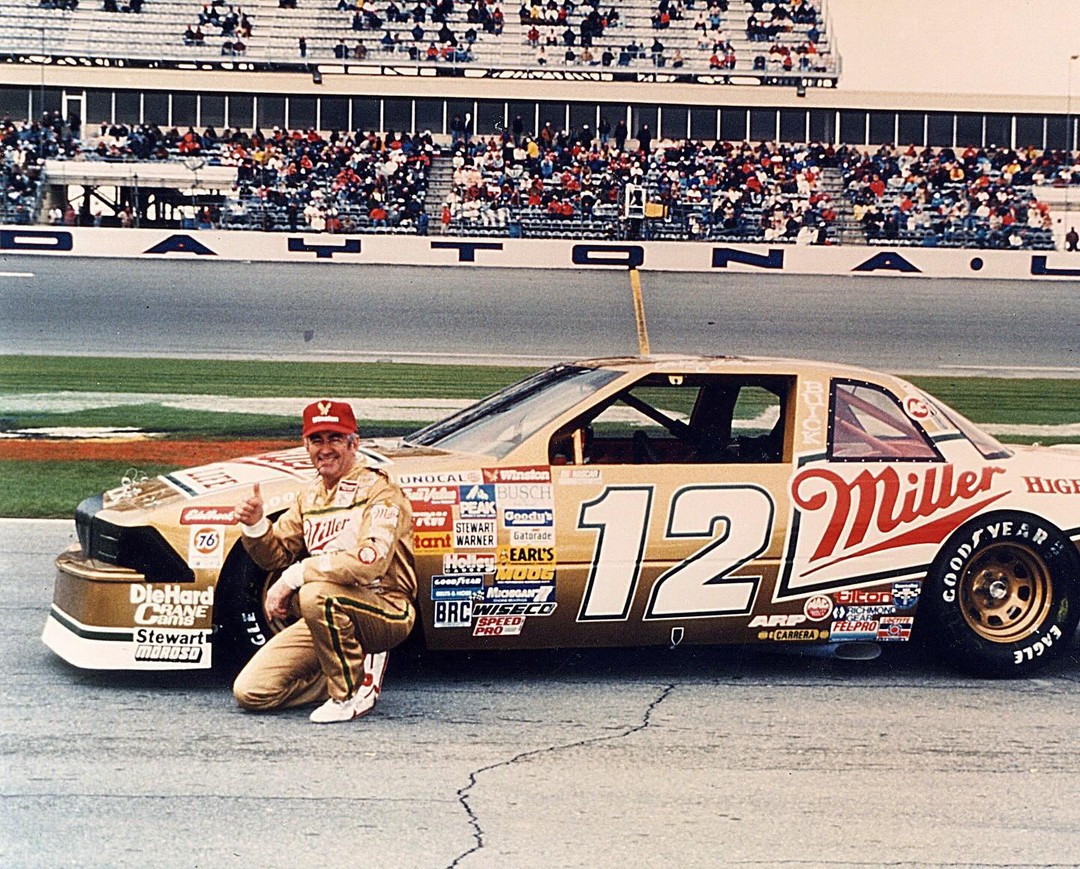
Bobby Allison with his 1988 Daytona 500-winning Buick Regal.
He considered returning to NASCAR, but both of his sons tragically died in accidents, and he quit racing for good. Several of these cars were built for the 1988 season, and this car was used for road-course racing. It was sold for only $55,000 in 2017! Old NASCARs without race wins are surprisingly cheap. This car was raced hard, battling with the ex-Darrell Waltrip Tide Chevy in both races. The NASCARs were the most fun cars to watch, roaring and powersliding out of corners. These cars must be a riot to drive.
1994 MCLAREN F1 “LM SPECIFICATION”
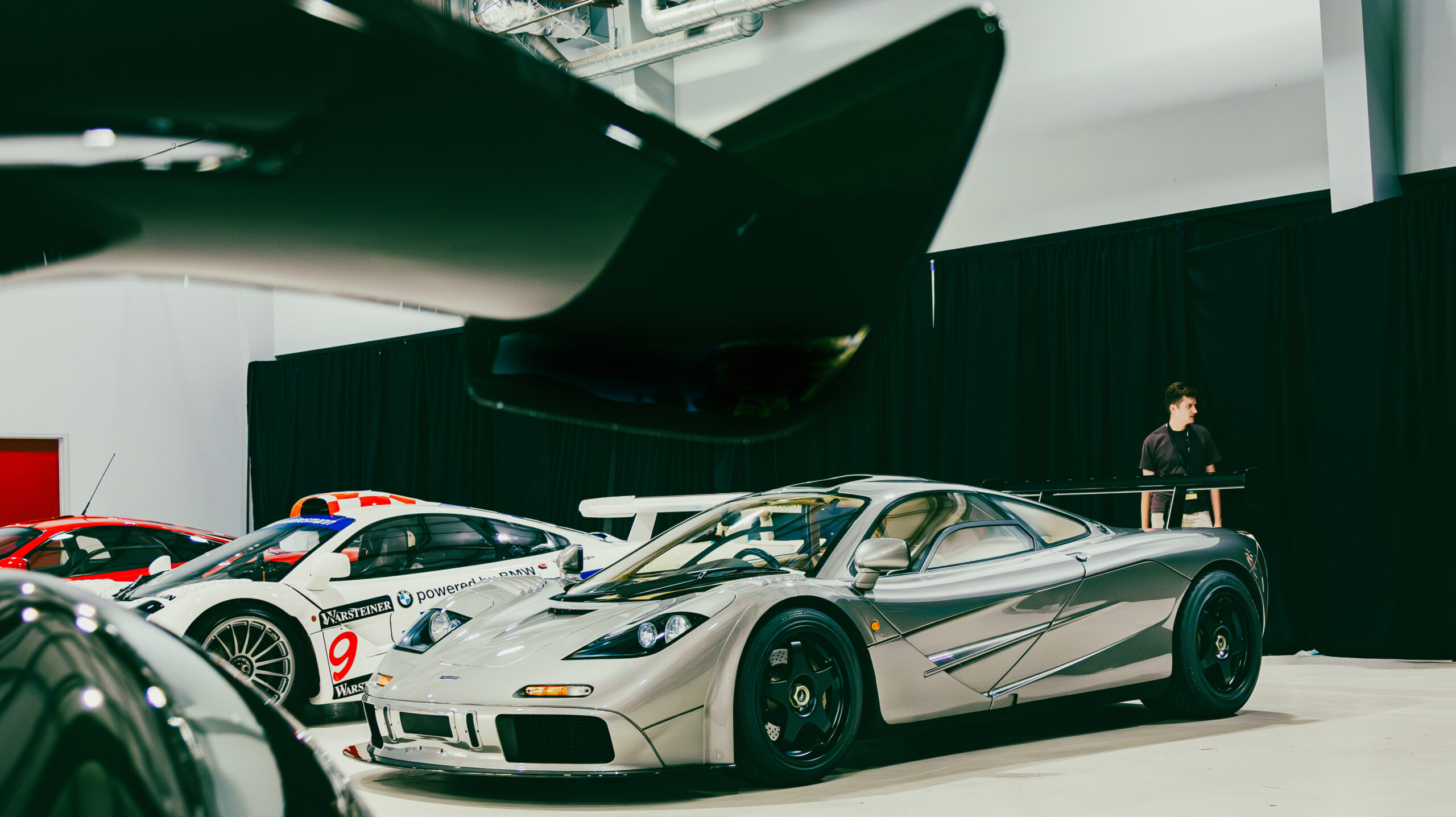
Out of all 106 McLaren F1s, this is my favorite. This car, chassis 018, was delivered to Japan as a standard Midnight Blue road car. 018’s second owner sent it to McLaren Special Operations for the LM specification upgrade. The LM upgrades include the high-downforce wing, wheels from the F1 GTR, a louder exhaust that increased the BMW V12’s output to 680 horsepower, and new radiators. Only one other F1 was upgraded to LM spec by McLaren. It was repainted Platinum Silver, and the interior was redone from black to cream. Chassis 018 then spent many years in New Zealand, where it was driven and enjoyed by its owner. At RM Sothebys’ 2019 Monterey auction, it sold for $19 million, the highest public sale price of a McLaren F1.
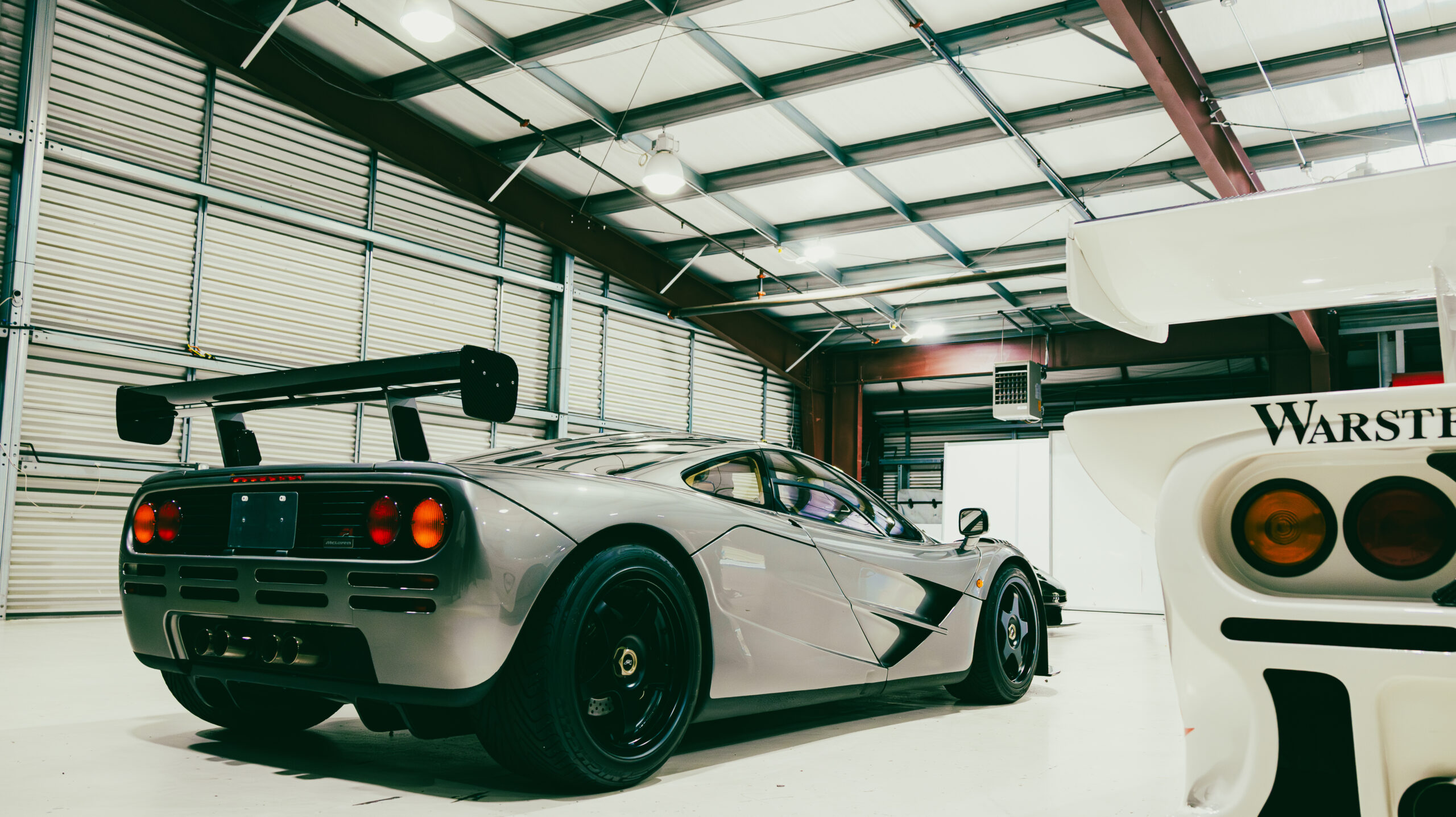
Chassis 018 sits next to an incredible F1 GTR longtail, and there was another F1 in this room not pictured.
I’ve wanted to see this car for a long time. Seeing occasional photos and videos of it driving on my local roads made it a bit of a unicorn to me. Chassis 018 is one of the best F1s on the planet, with its combination of LM upgrades and excellent provenance.
1963 FERRARI 250 GTO
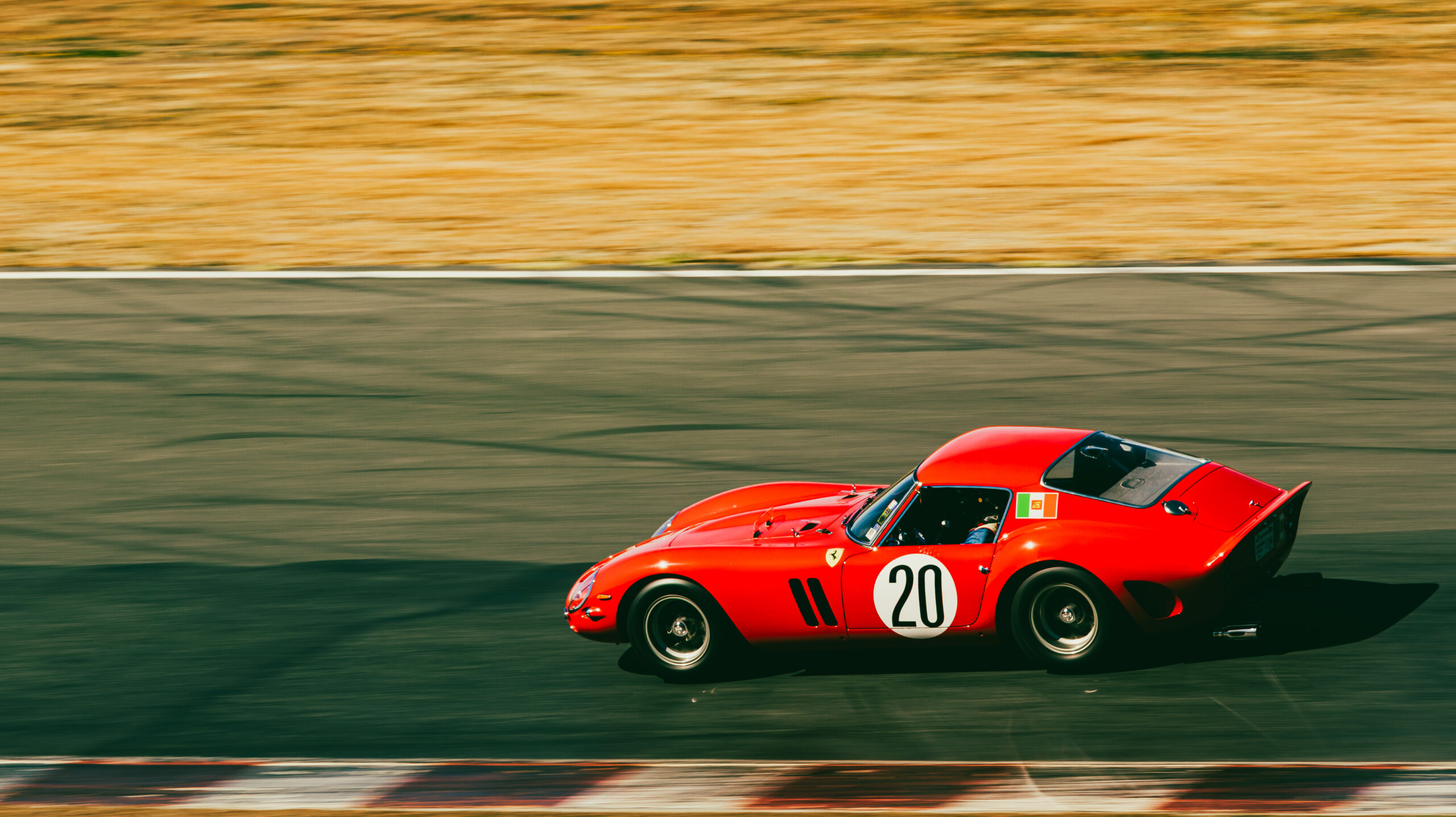
Everyone knows about the 250 GTO. Everyone knows it’s wildly expensive, and its value has become the car’s most iconic feature. While it did win the FIA GT Championship in 1963 and 1964, it doesn’t have the pedigree of the 250 TR. The GTO’s reputation and value come from both its amazing driving experience and its status as a requirement in any great collection (just like the McLaren F1). And being part of the GTO Owners Club is also another big part of its desirability. I always appreciated the GTO, but after dozens of hotlaps in Assetto Corsa, it has become one of my all-time favorites. But I had only seen one in person until last weekend, and only while it drove by. There were two GTOs at Velocity, and both were actually being raced!
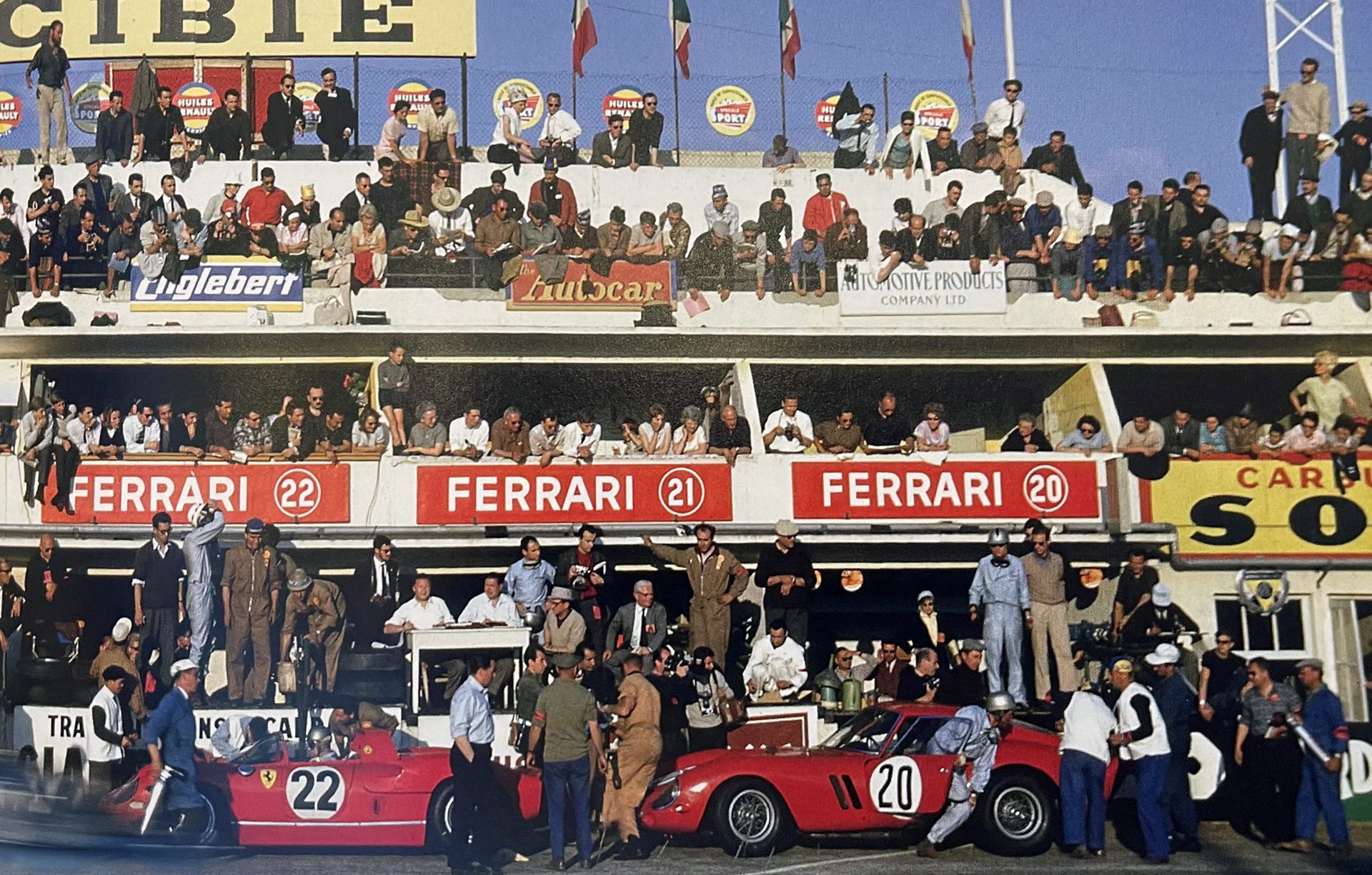
This brilliant shot shows #4757GT at Le Mans in 1963, next to the 250 P of Mike Parkes and Umberto Maglioli.
Of the two GTOs, my favorite was chassis #4747GT. It was raced by the Carrozzeria Sports Team at Le Mans in 1963, but it failed to finish. #4757 GT also competed in the Tour de France Automobile, a 10-day endurance test across France, with races and hill climbs along the way. It has been owned by Tom Price since 2007. Price has probably spent more time racing a GTO than anyone else, but nowadays Jeff O’Neill, the founder of Velocity, races it every year. He started near the front of the grid and was leading when the race was ended early after a car broke down in a dangerous spot. But at least I finally got a good look at a 250 GTO.
1974 PORSCHE 911 CARRERA RSR IROC
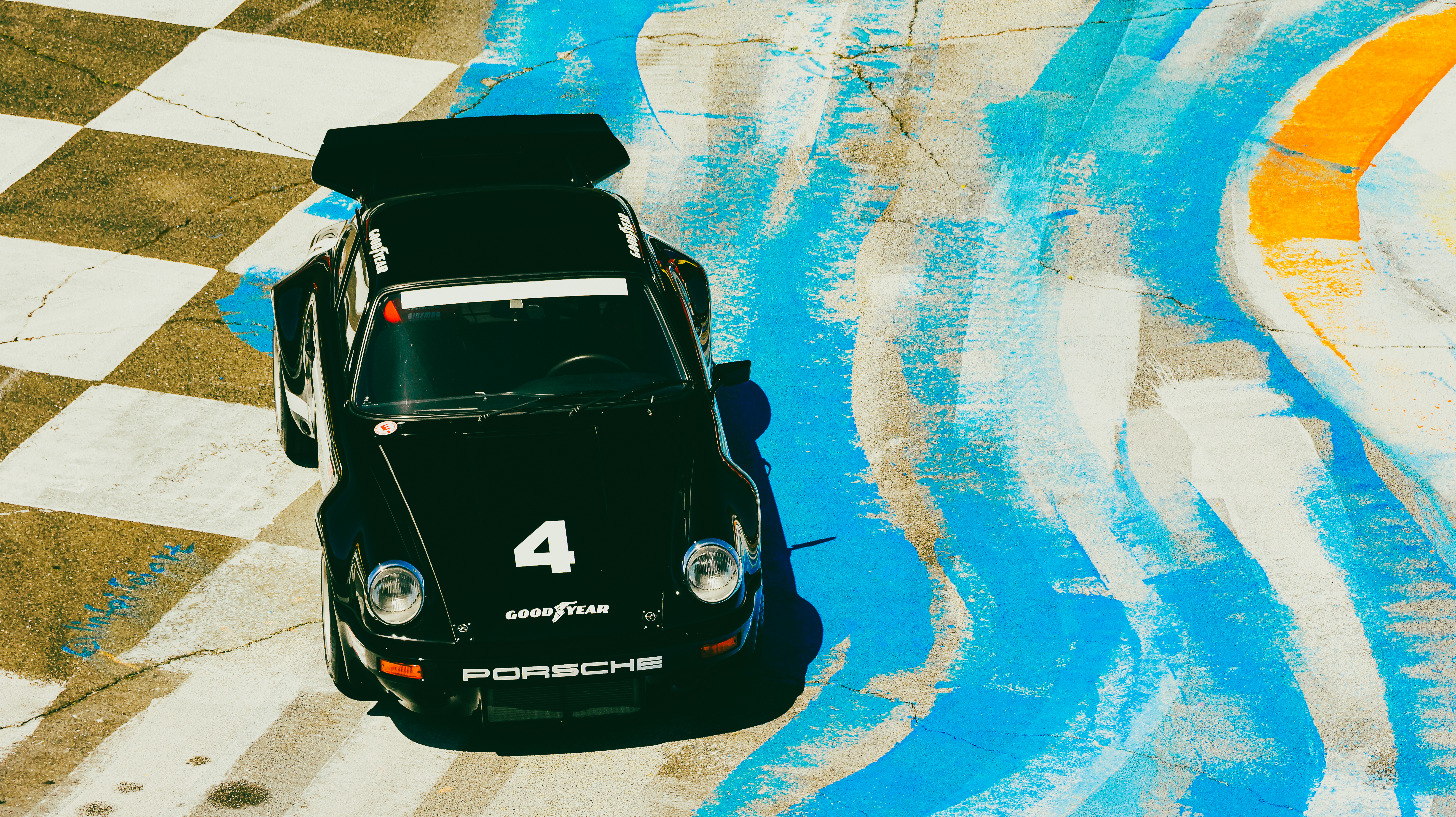
The International Race of Champions (IROC) was started by Roger Penske, Mike Phelps, and Les Richter in 1973, giving the world’s best drivers a chance to race in equal machinery. Mark Donohue, Penske’s best driver and engineer, told him that the 911 RSR was the perfect car for the series. So Penske ordered 15 911 RSRs, in 15 different colors. The IROC RSRs were a unique mix of parts from both the 1973 Carrera RS road car and the 1974 RSR. The RSR was a very solid car, but many drivers had no experience racing a true rear-engined car like the 911. The first two races were held at Riverside Raceway, and the field consisted of 12 aces from around the world of racing.
Emerson Fittipaldi and Denny Hulme came from F1; A.J. Foyt, Peter Revson, Gordon Johncock, Roger McCluskey, and Bobby Unser from USAC; Richard Petty, David Pearson, and Bobby Allison from NASCAR; and Penske’s own sportscar drivers, George Follmer and Donohue. Donohue and Penske were famous for their “unfair advantage”, and Penske struggled to convince the other drivers that Donohue wouldn’t get the best car, even telling Donohue, “Don’t get involved with those cars, and don’t talk to anyone who is working on them. Don’t even look at them!” But Donohue and Follmer won all four IROC races anyway, not through any sneaky exploits, but from their experience racing the RSR several times. Donohue even helped develop the RSR while testing his 1,200 horsepower Can-Am 917/30 at Paul Ricard in France.
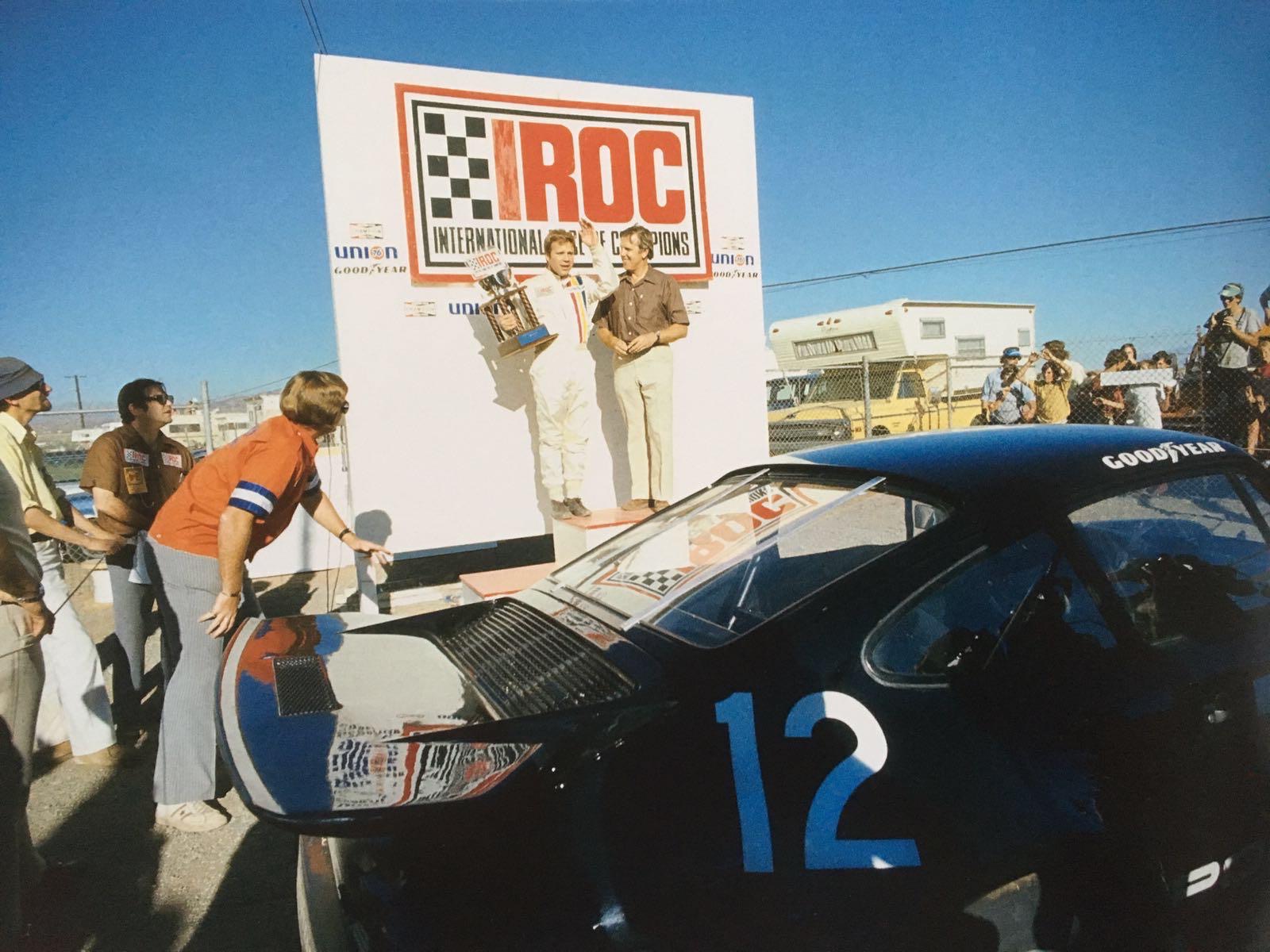
Mark Donohue on the podium after winning the second IROC race. George Follmer won the previous race in this RSR
This RSR won both races at Riverside, one with Donohue and one with Follmer. It is the only IROC RSR with multiple race wins. Penske told Donohue not to win by a large margin, but Donohue didn’t care. He had just won the Can-Am title in his 917/30, and he announced his retirement on the IROC podium. The top six drivers raced at Daytona in January 1974, and Donohue won the final race and the IROC championship, ending his career on its highest note.
Donohue returned to racing in 1975 with Penske’s F1 team, but he died in an accident at the Austrian GP. IROC never used Porsches again, becoming less and less international every year. But the number of Porsche Cup series around the world shows that the 911 is still the world’s best spec race car. In 1974, this car was sold to Al Holbert and raced in IMSA. He crashed the car during testing, and it was rebuilt using a combination of new and old parts. Since then, it has been restored to IROC specification. It is also road legal, making it a legendary piece of Porsche racing history and a usable weekend toy.