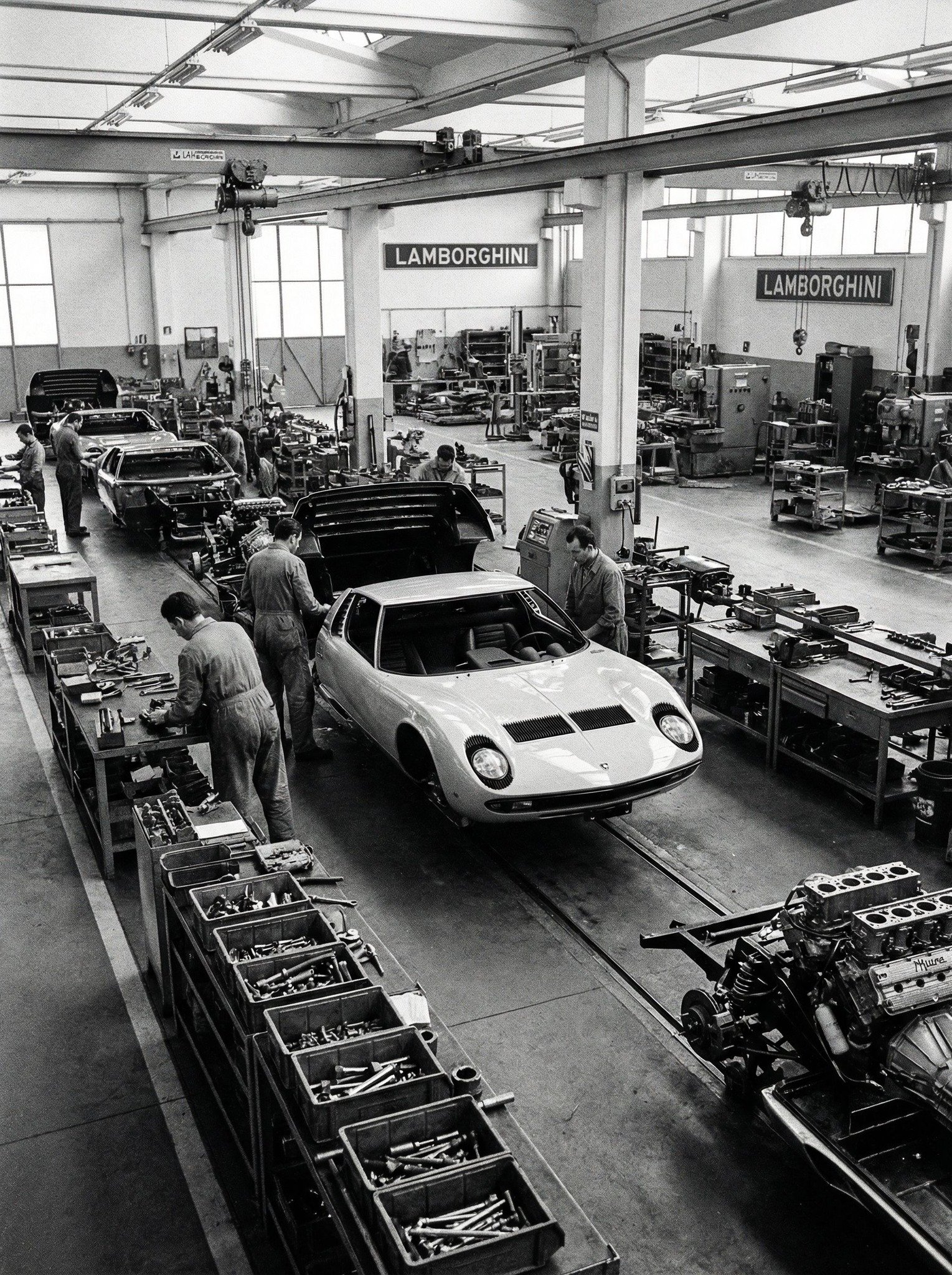
I’ve spent many hours searching the internet for vintage car photos. When searching for photos of the Lamborghini Miura’s production line, I found this great image. Many days later, it just started looking strange to me, although I couldn’t quite explain it. While the photo looks great at first glance, some things don’t add up. Then my brother pointed out the engine on the production line – which has only eight cylinders. I noticed a lot of odd things. Why are there so many boxes of random parts? Why is the car at the front of the line less complete? Why do the workers look so similar? I realized it was AI-generated, and I wanted to know where it came from.
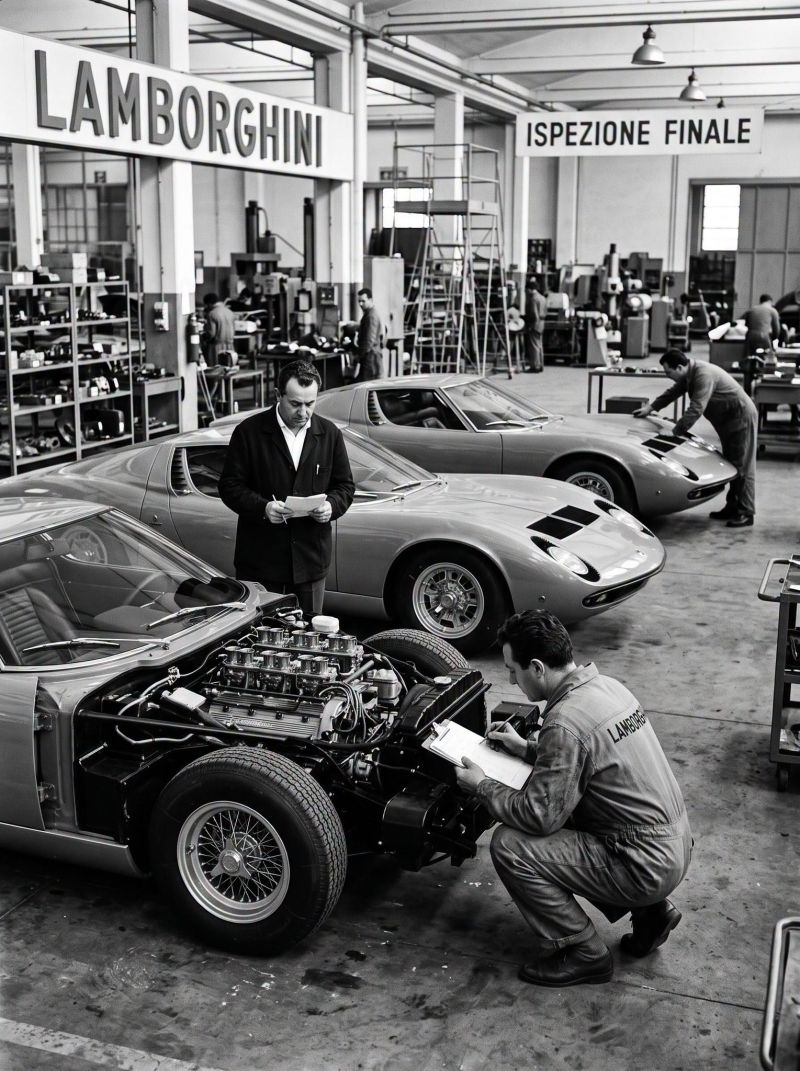
I shouldn’t need to tell you what’s wrong with this picture.
It came from a Facebook page with a wide range of car content, both real and fake. I’m used to AI-generated car media, but it usually comes in the form of ridiculous displays of expensive cars or barn finds. The barn find images feel like a combination of the craze around rebuilding or finding rare cars and engagement bait designed to upset people seeing images of their favorite cars left to rot. But fake historical photos are a new one for me, and they are frustrating.
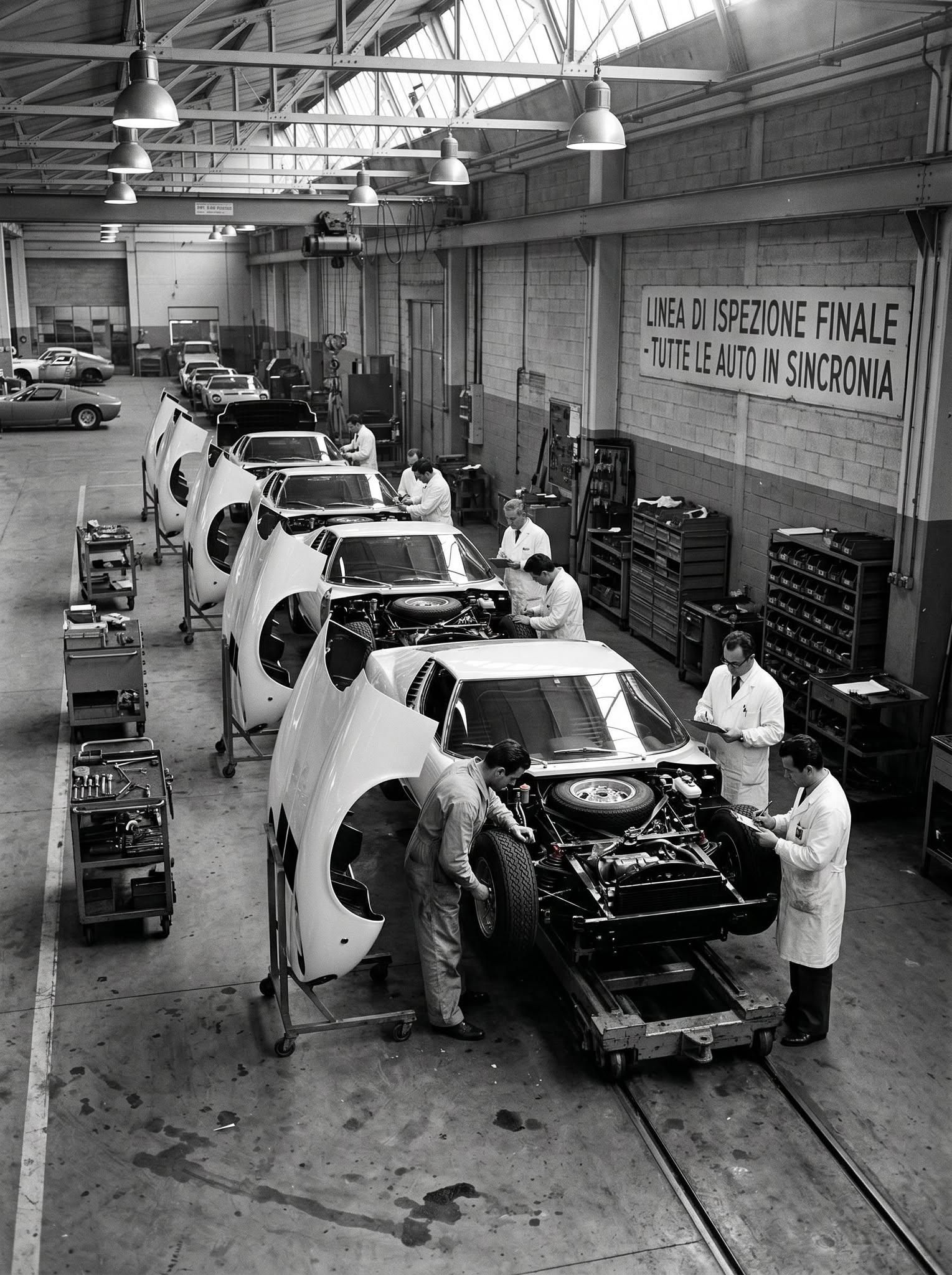
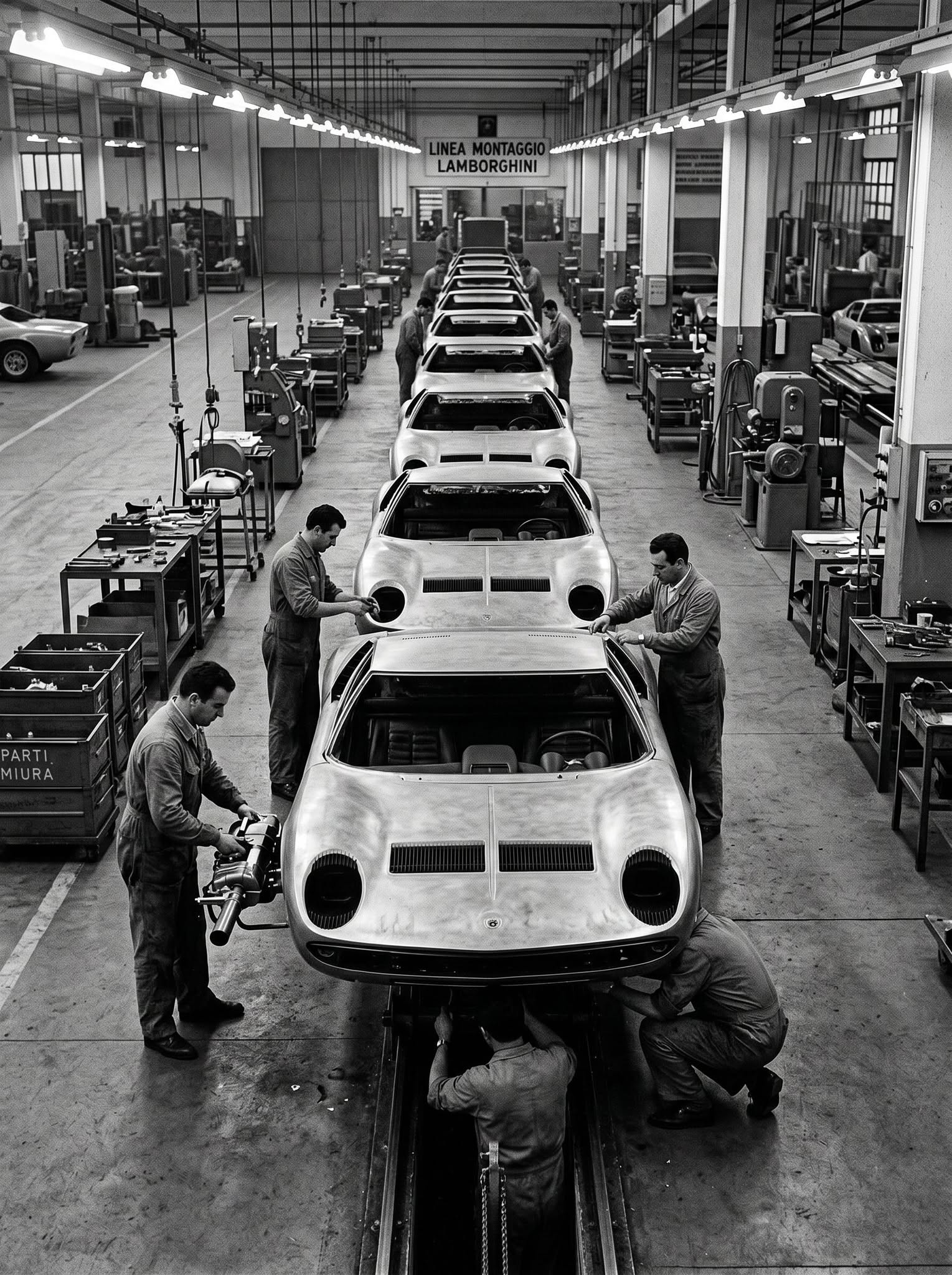
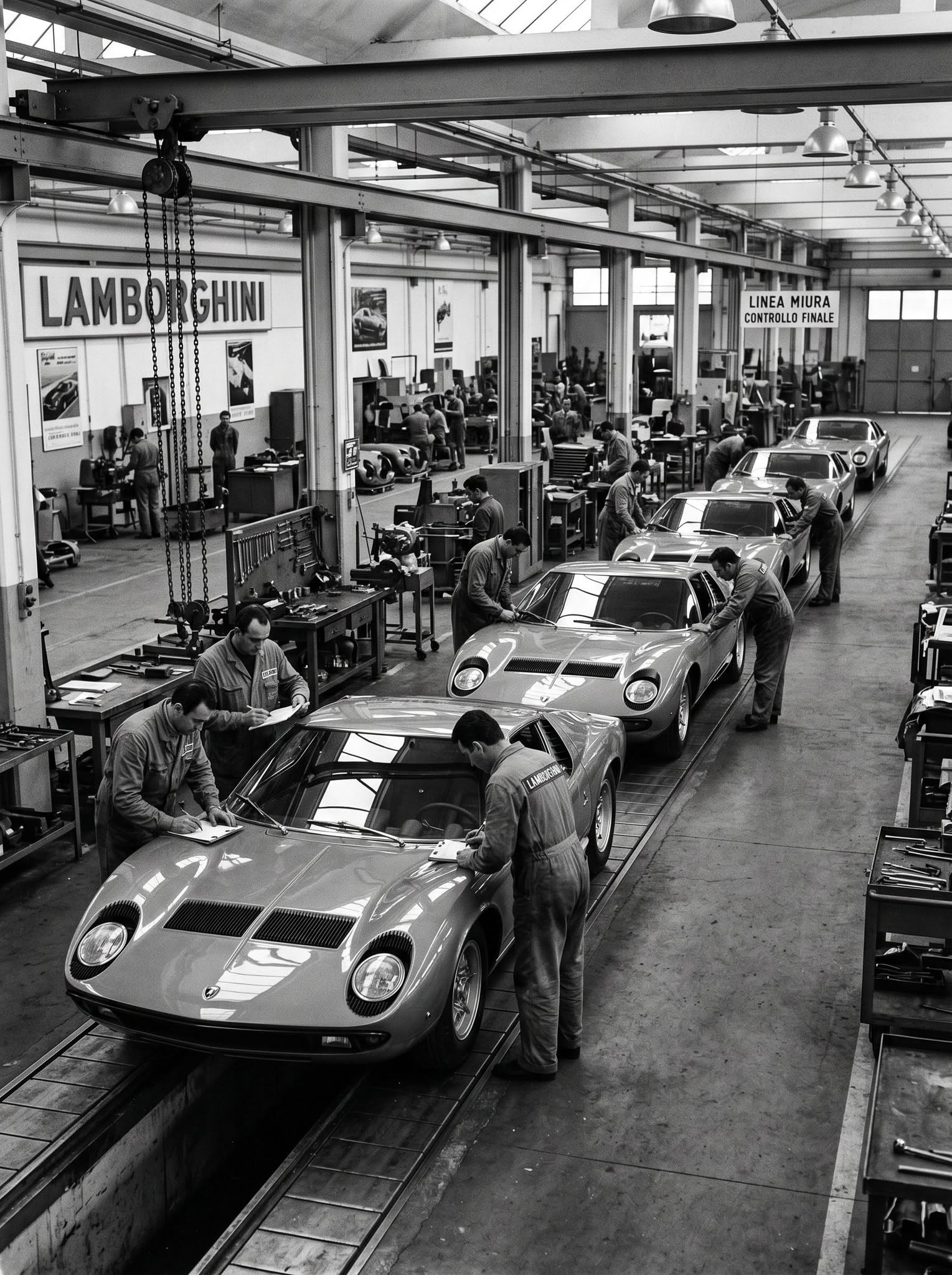
Three different fake Miura production lines, all posted by the same page.
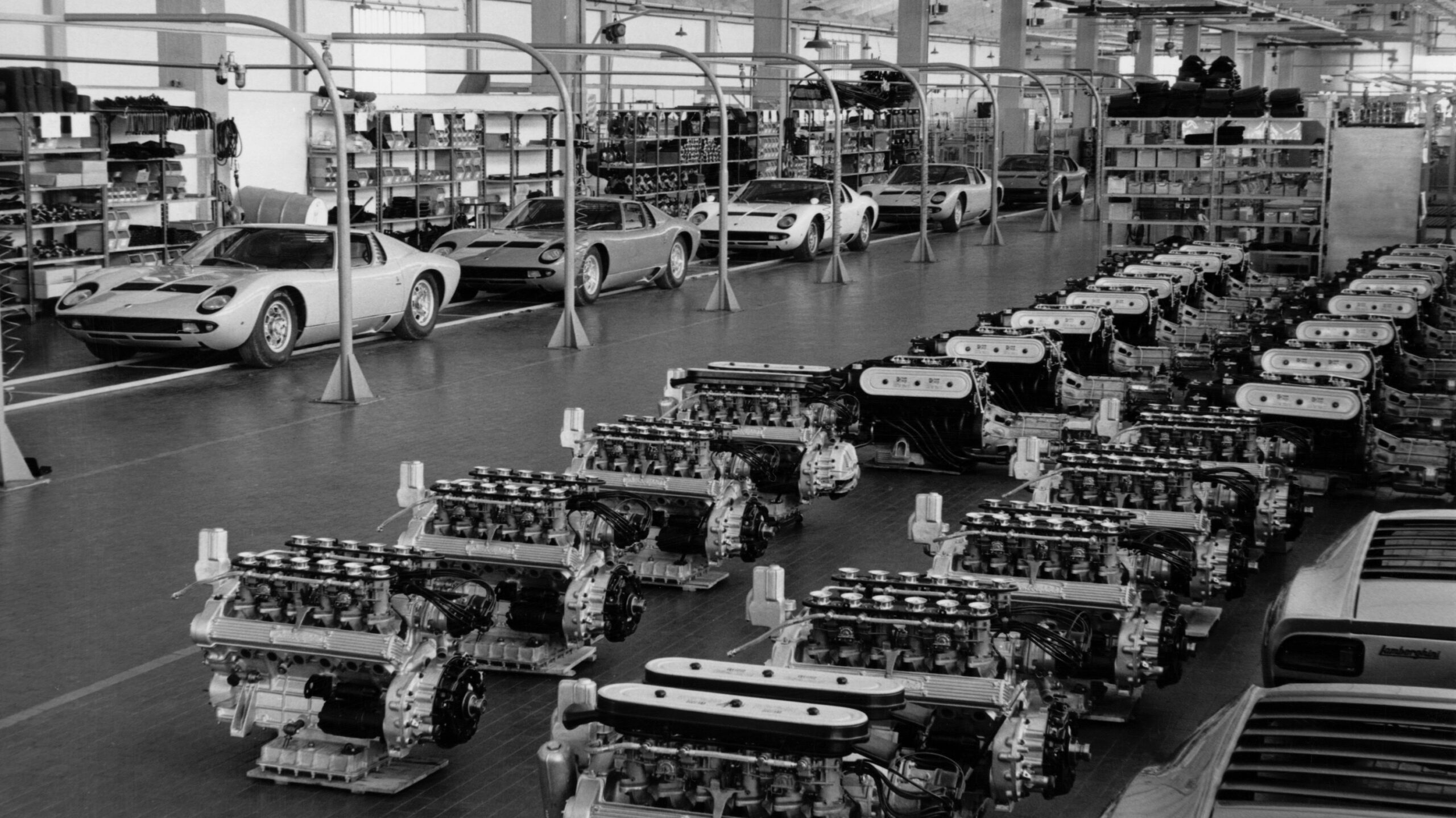
The real Miura production line.
This video is far less convincing than the photos, but it still shows how much fake historical content is out there.
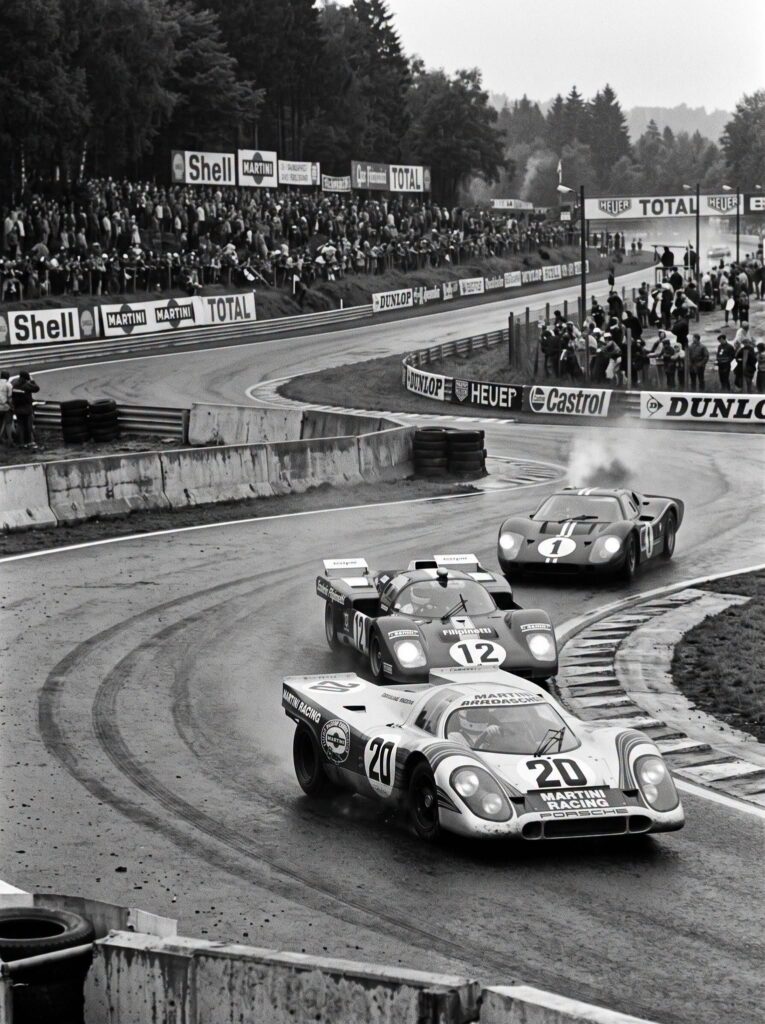
This photo was apparently taken at Le Mans in 1970. I immediately noticed the GT40 MK IV, which didn’t race at Le Mans that year. The track layout is obviously inaccurate, and Castrol signs were definitely not there in 1970. The 917 and 512 look good at first, but what word is on the 917’s roof? It looks like “MARTINI RRRDASCHE”. This photo might fool some, but most knowledgeable enthusiasts would spot the fake quickly.
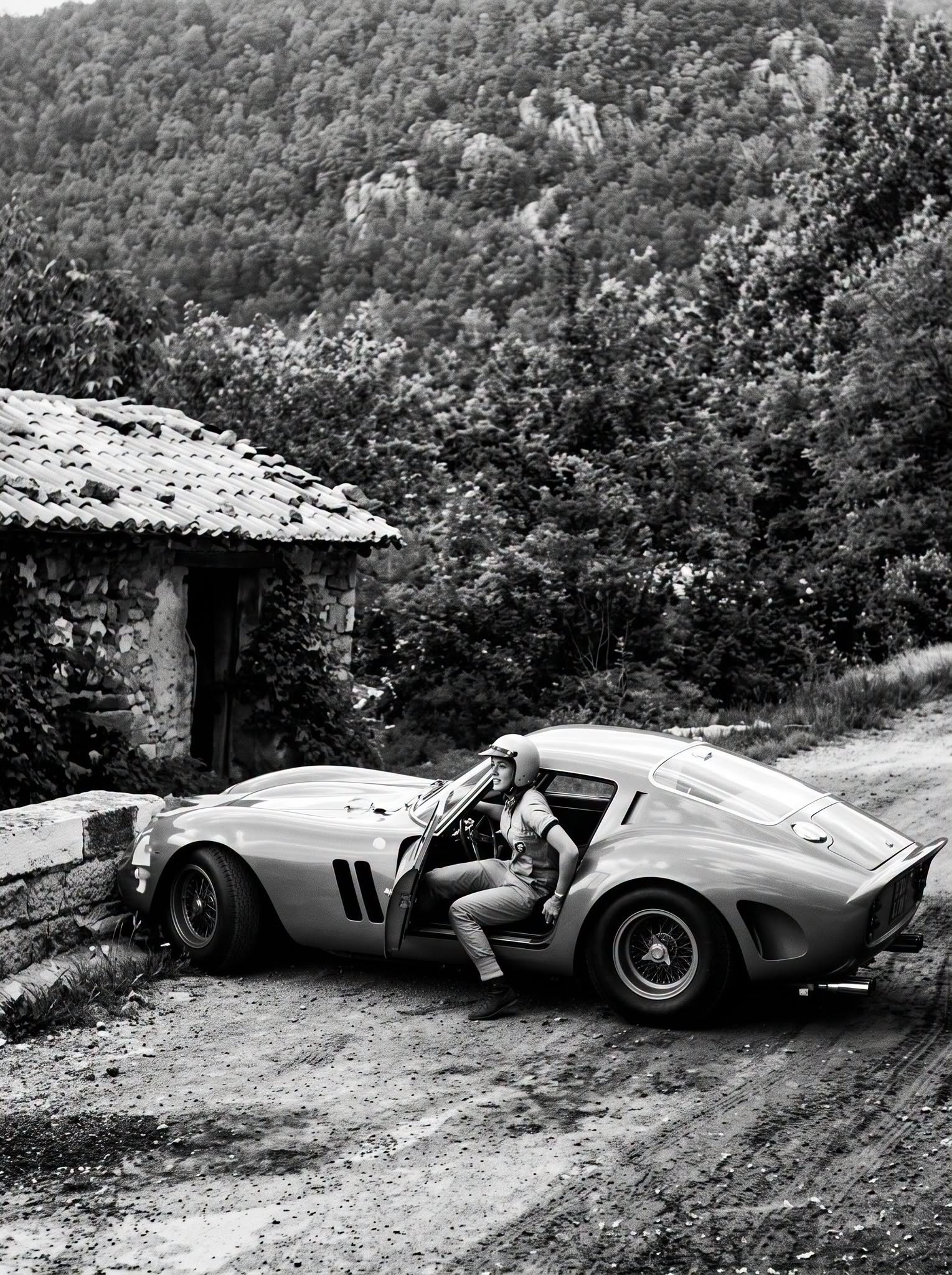
Most of these images focus on major events or popular cars. But this image really surprised me. It was posted on the same Facebook page without context, but according to a commenter, it shows Annie Soisbault after crashing her Ferrari 250 GTO at the 1965 Mont Ventoux Hill Climb. This is a very obscure moment in racing history that did actually happen (Annie Soisbault was a very underappreciated driver who raced GTOs around Europe). But this isn’t a real image. The photo’s texture doesn’t look quite right, and Annie looked quite different in real life. There are real photos of the crash, in much lower resolution on a few websites. Now even photos of obscure events can and should be questioned.
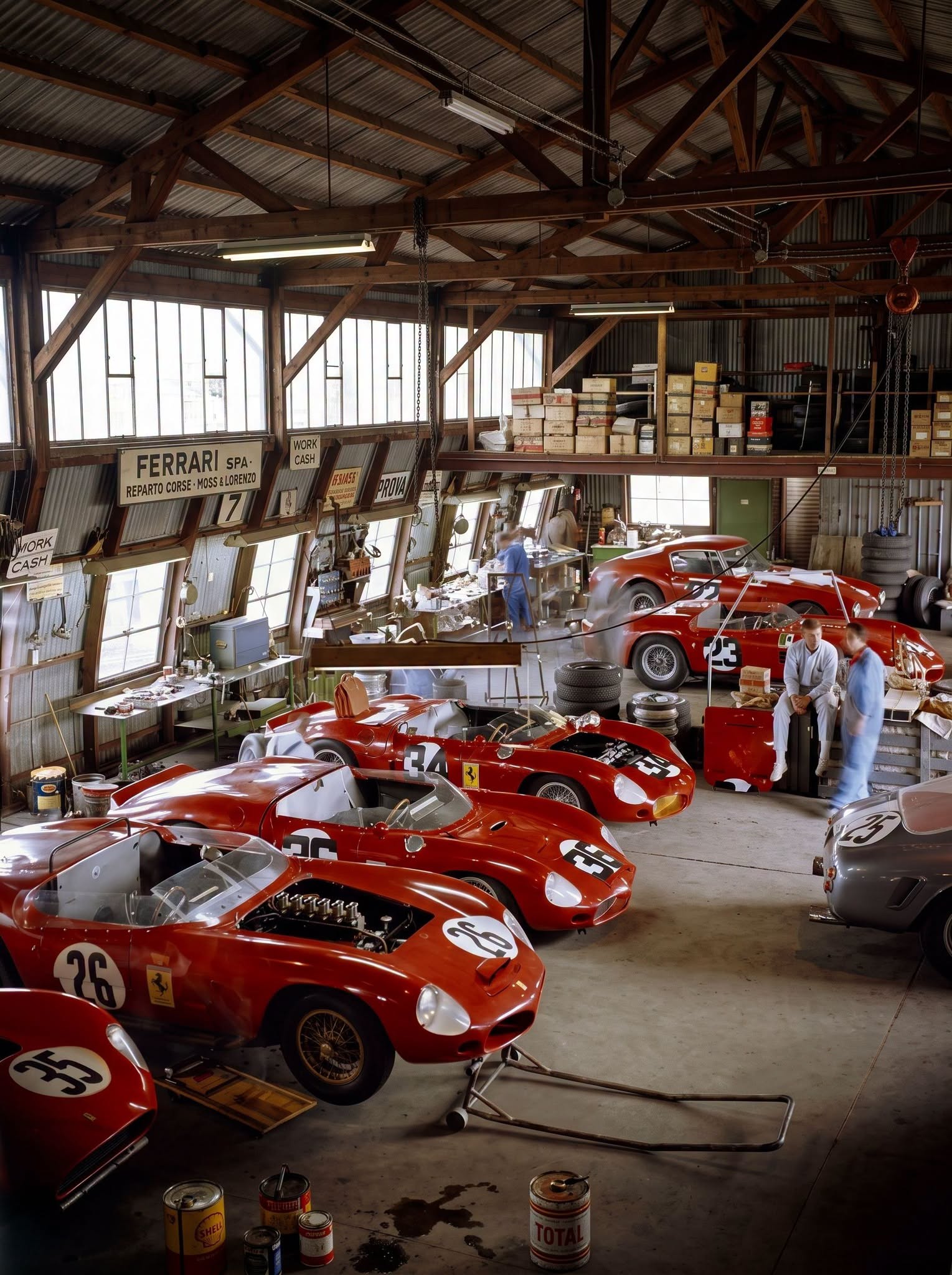
This photo is even more confusing. It looks amazing, and it is actually an AI-enhanced version of a real image taken at Sebring in 1962. The AI-enhanced version has a very odd roof design. Sebring was still an airfield at the time, so the real building was probably much closer to a hangar than whatever this is. However, the roof isn’t what draws your eye at first. I would probably not have thought about it if I had seen the photo from a different source.
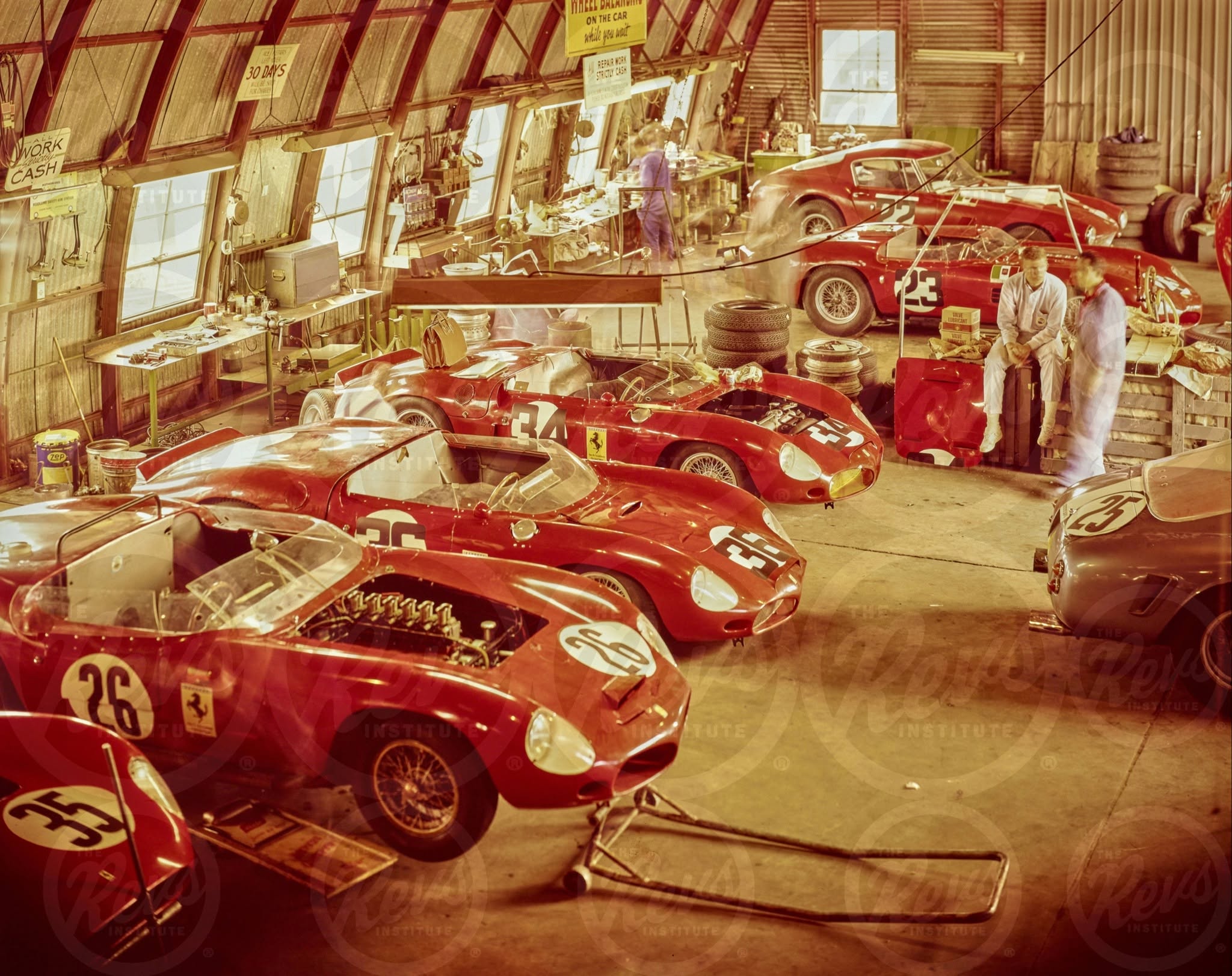
This is the original photo.
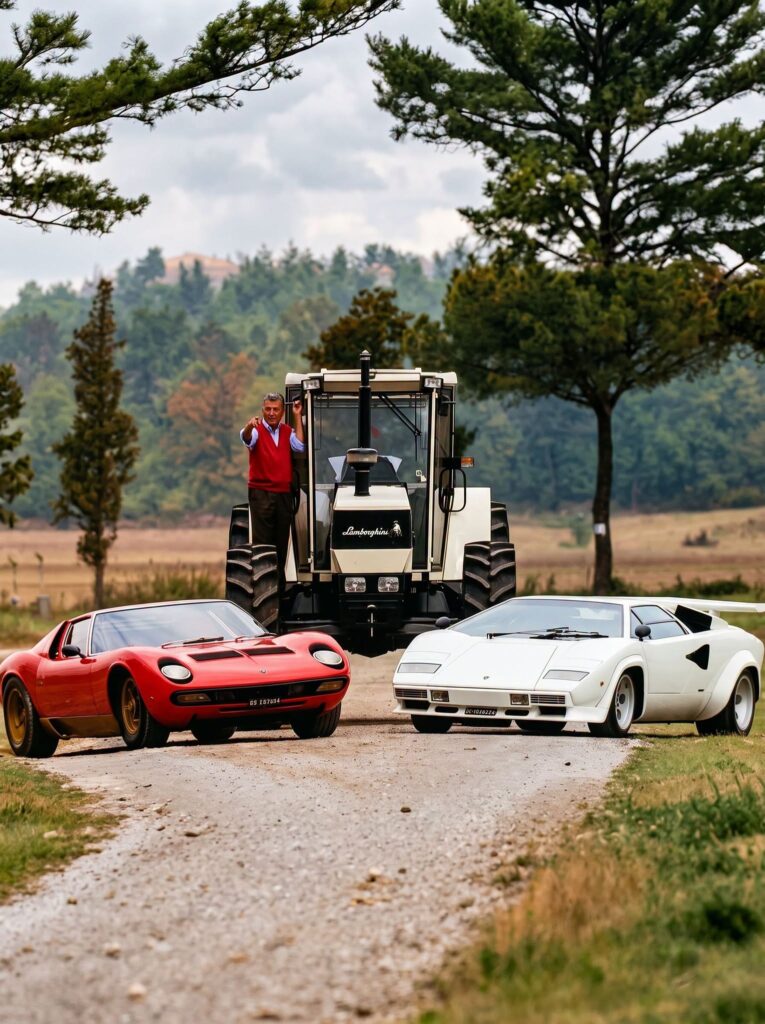
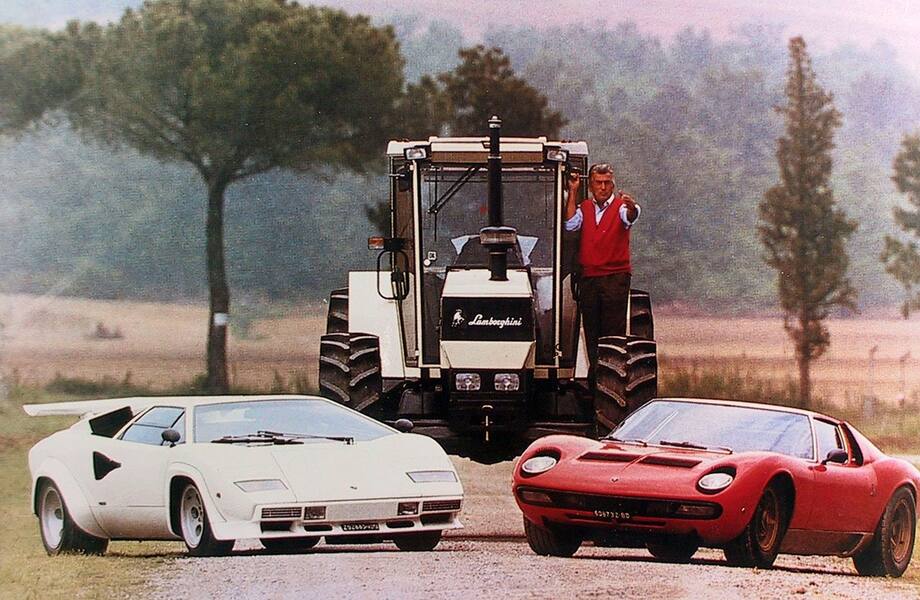
It gets worse. The image on the left of Ferruccio Lamborghini posing with a Miura, Countach, and tractor looked familiar to me. But it is actually an AI-enhanced version, with Ferruccio and the Miura swapping sides. It wouldn’t be the end of the world to use it, but it still isn’t the original.
Sadly, these will continue to be created for a long time. The quality of these photos has really caught me off guard, and I will look much more carefully from now on. Much of the discussion around AI-generated images is about avoiding misinformation in the present, but even the distant past is being clouded in a vague haze of synthetic content. Pay attention; history (and I) will appreciate it.