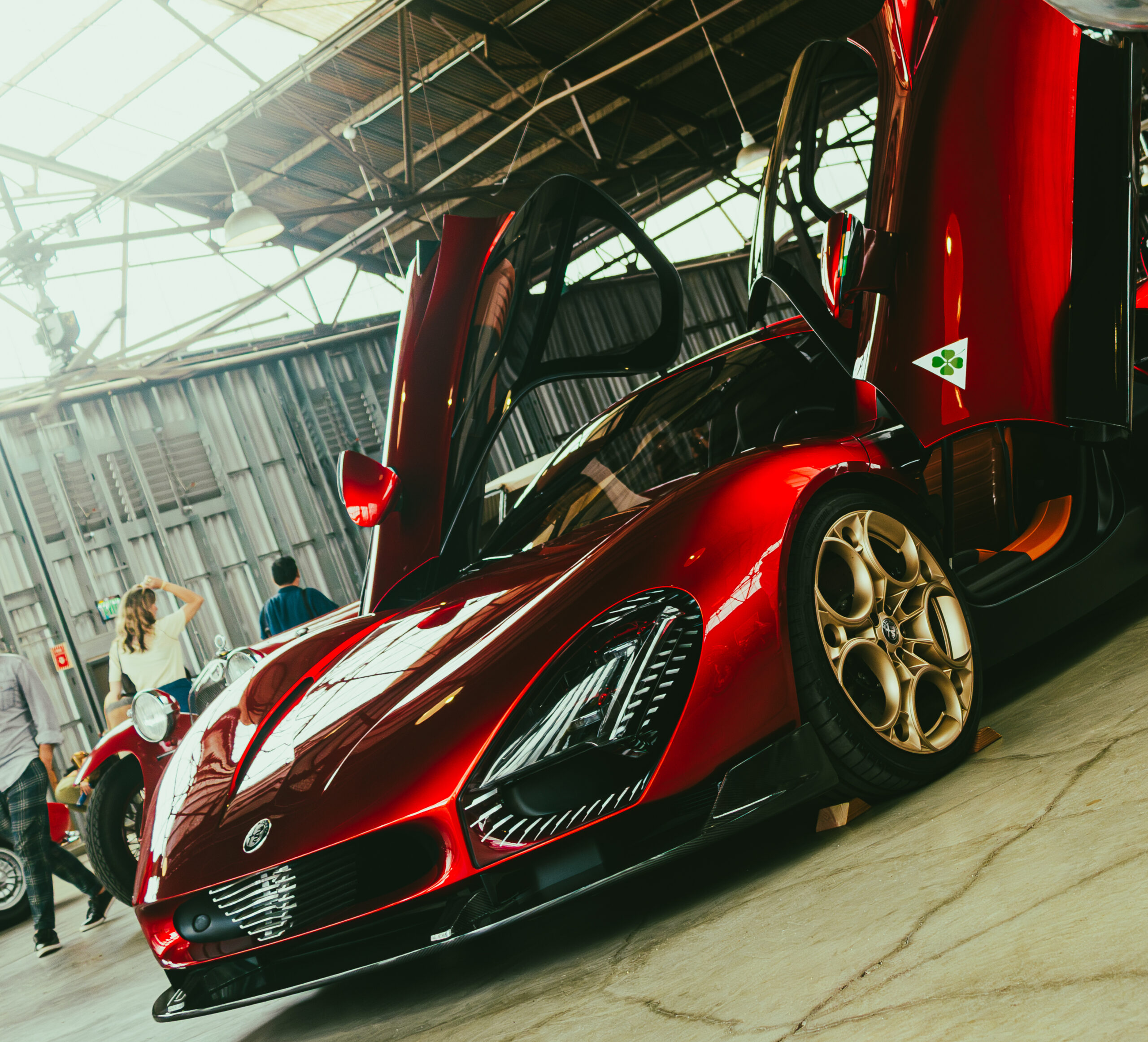
Macchinissima was created by three enthusiasts in LA who wanted a show that properly celebrated their favorite Italian cars while being more relaxed than your typical concours. The result is a show that is reminiscent of Luftgekhult, but with more flair thanks to its Italian style.
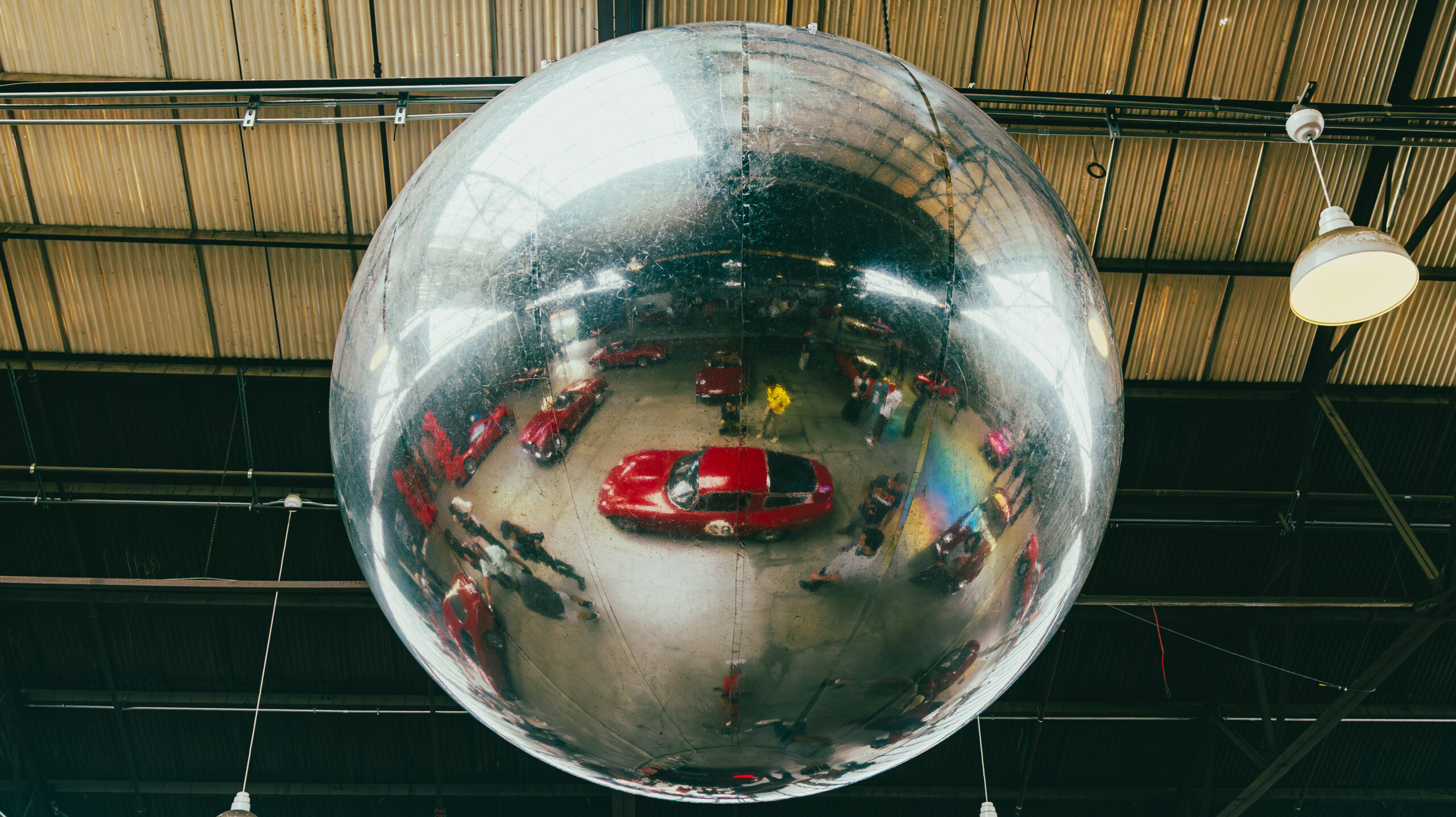
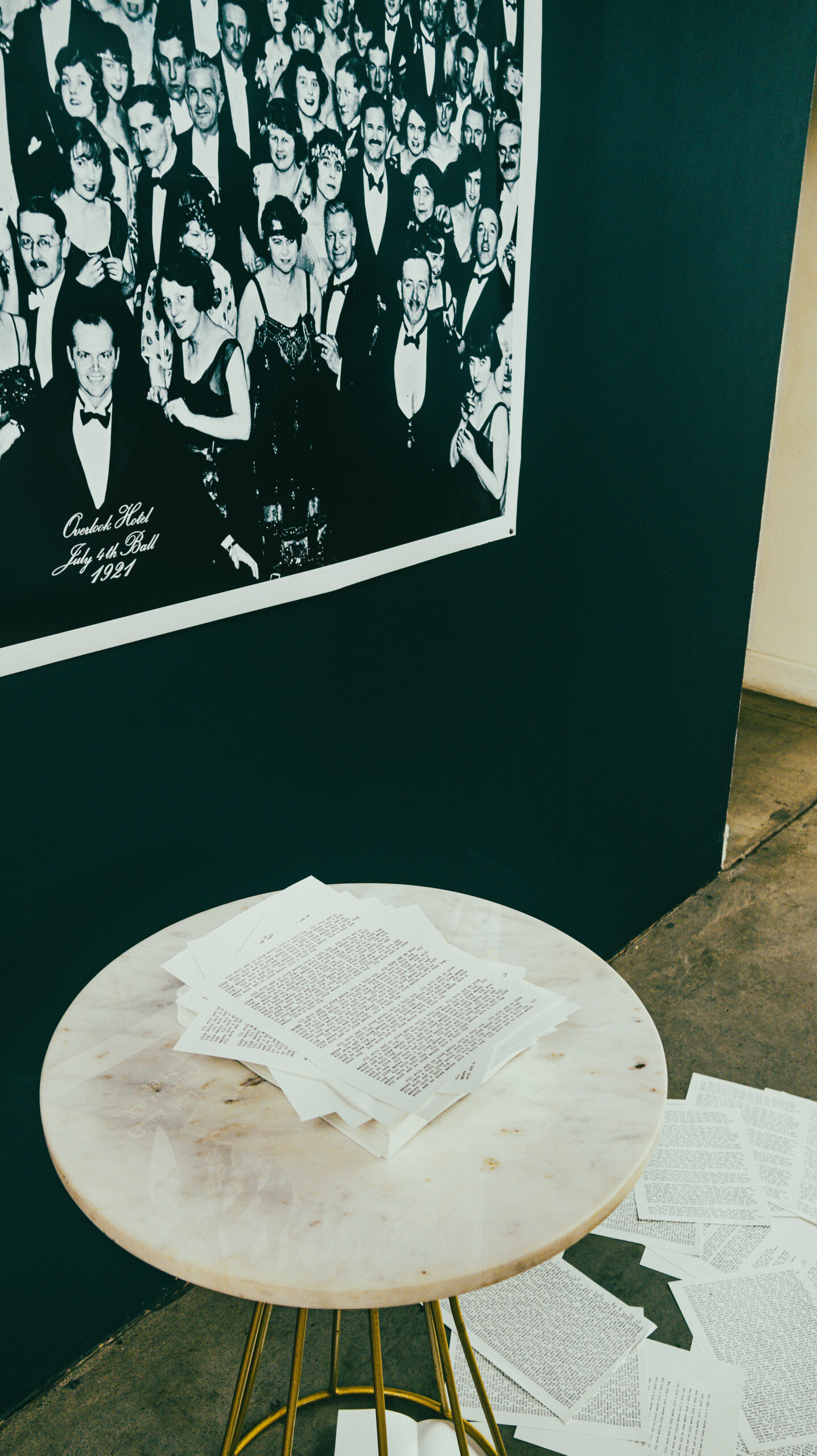
I enjoy car shows in many different environments, but the best are in unique locations. This year’s Macchinissima was held at Rolling Greens in downtown LA, an unexpected but great location for a car show. There were two main buildings featuring impressive cars, including a warehouse filled with only red cars.
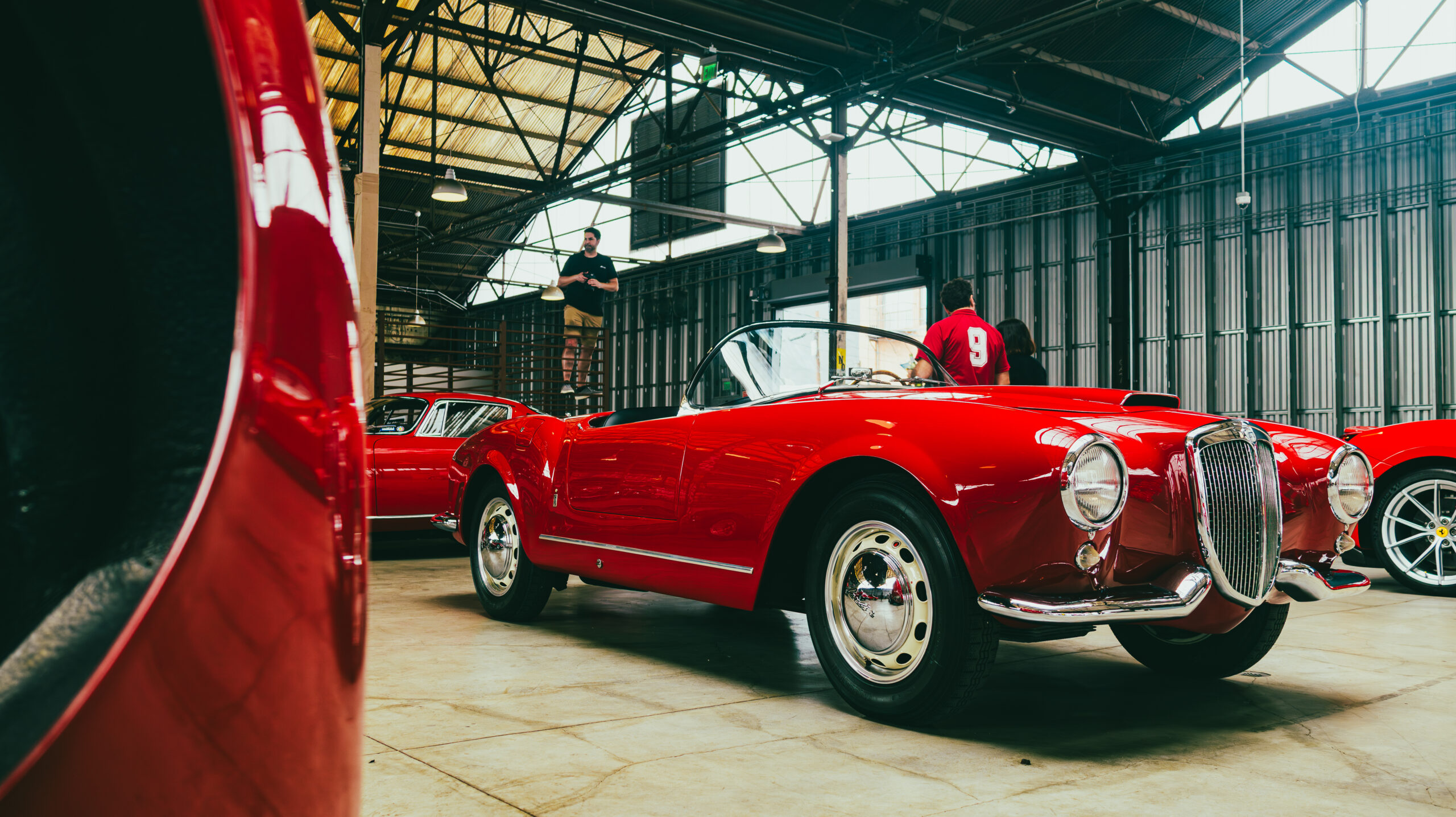
While we usually associate red with Ferrari, rosso corsa was Italy’s national racing color for decades before that. Ferrari took the torch from Lancia, Alfa Romeo, Maserati, and Fiat after those brands ended their racing efforts. So red is an appropriate color for any sporting Italian car, not just a Ferrari.
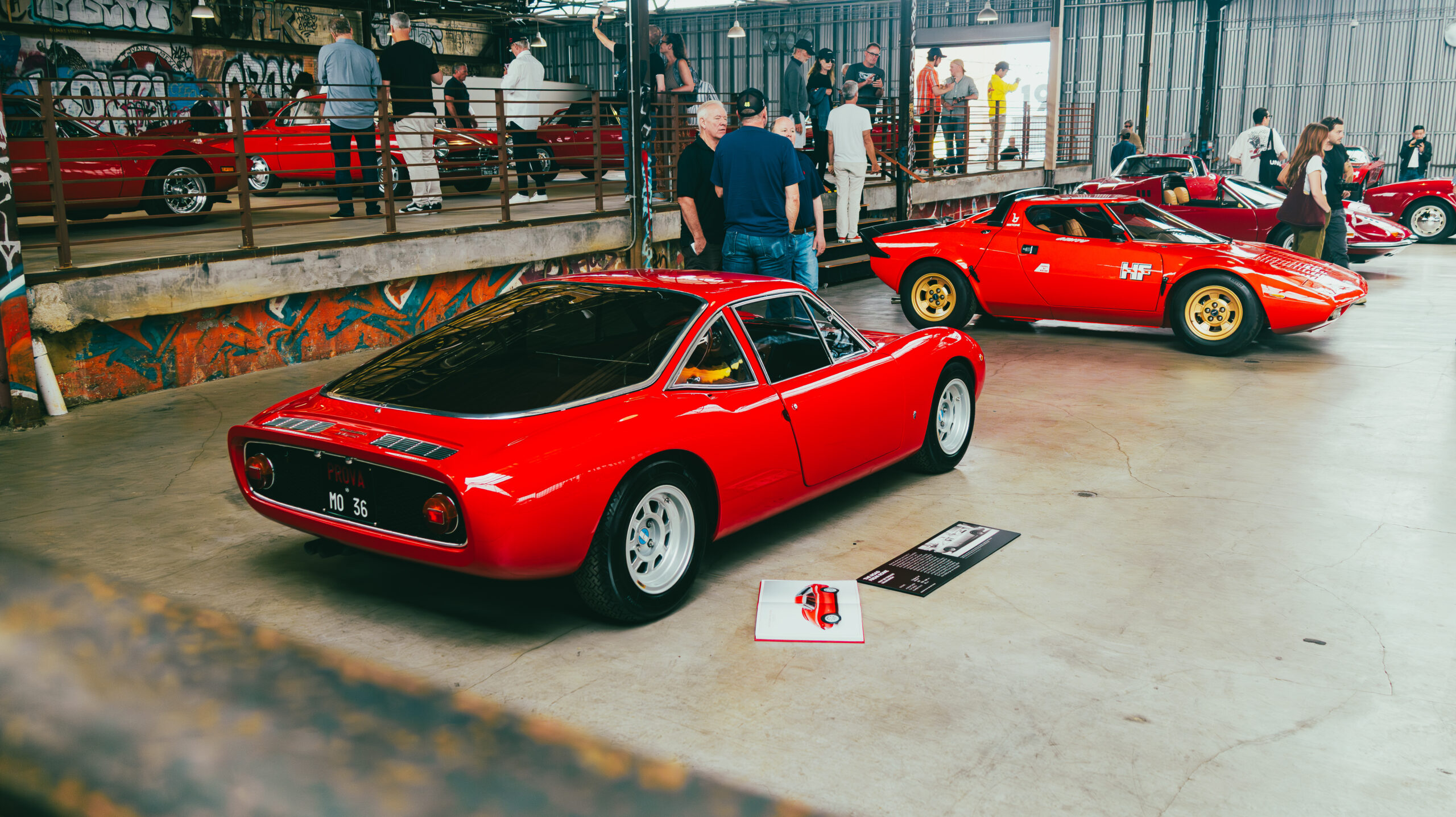
De Tomaso Vallelunga
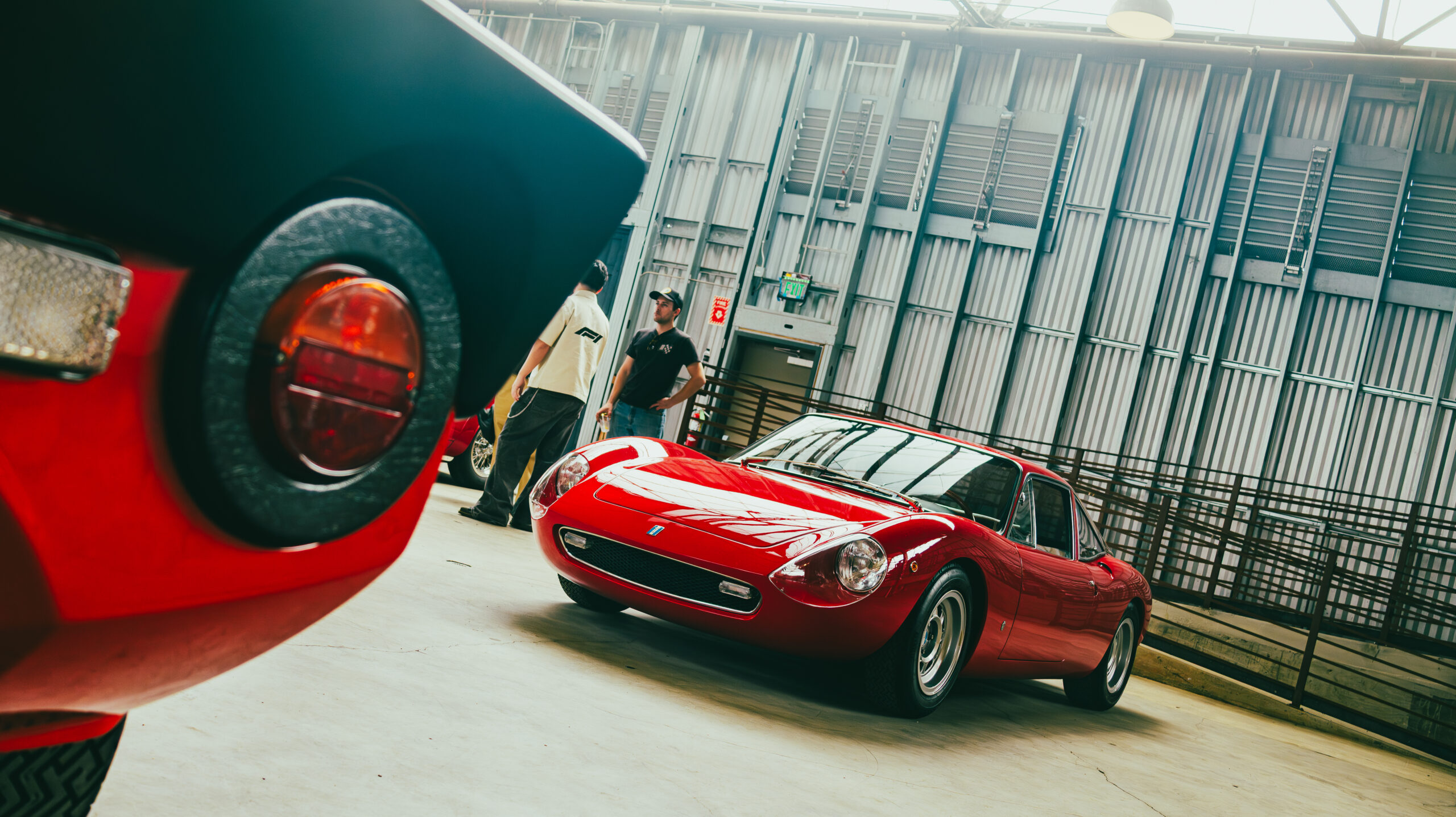
This is the De Tomaso Vallelunga, a car I wasn’t aware of until now. The Vallelunga was De Tomaso’s first road car, built years before the iconic Pantera. It was one of the earliest mid-engined production cars ever built. The name came from the Vallelunga circuit, where De Tomaso tested his racing cars. It was an advanced little car with a spine-style chassis similar to the Lotus Elan and suspension from De Tomaso’s open-wheel racers. It was powered by a tuned Ford inline-four engine to produce 105 horsepower. The result was an exhilarating little car. The body was originally designed by Fissore, but Ghia built the production cars. Only 50 production Vallelungas were built, making them much rarer and more valuable than the Pantera. The Valleunga was intented to race, but De Tomaso never built enough
Lancia Stratos HF Stradale
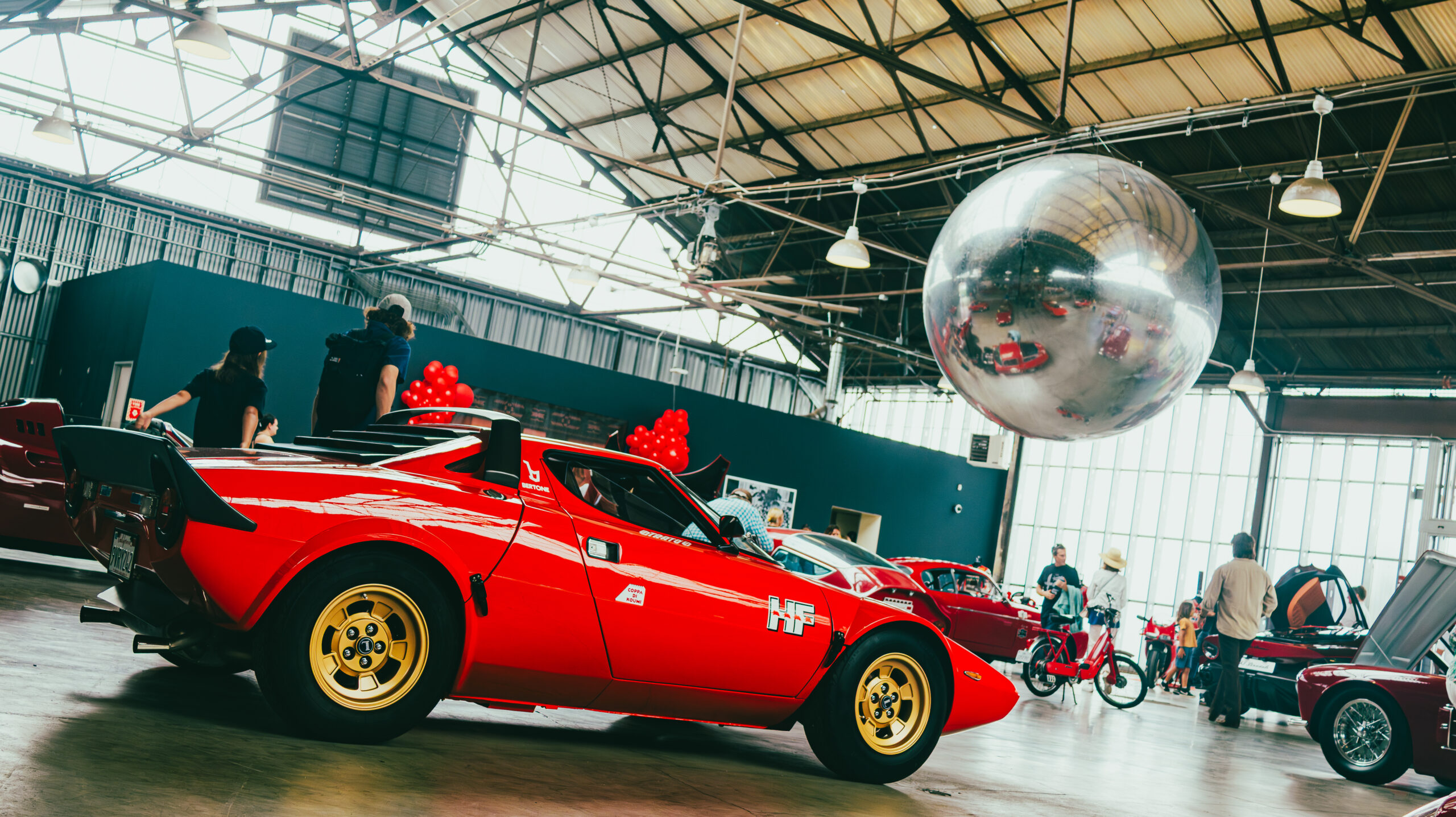
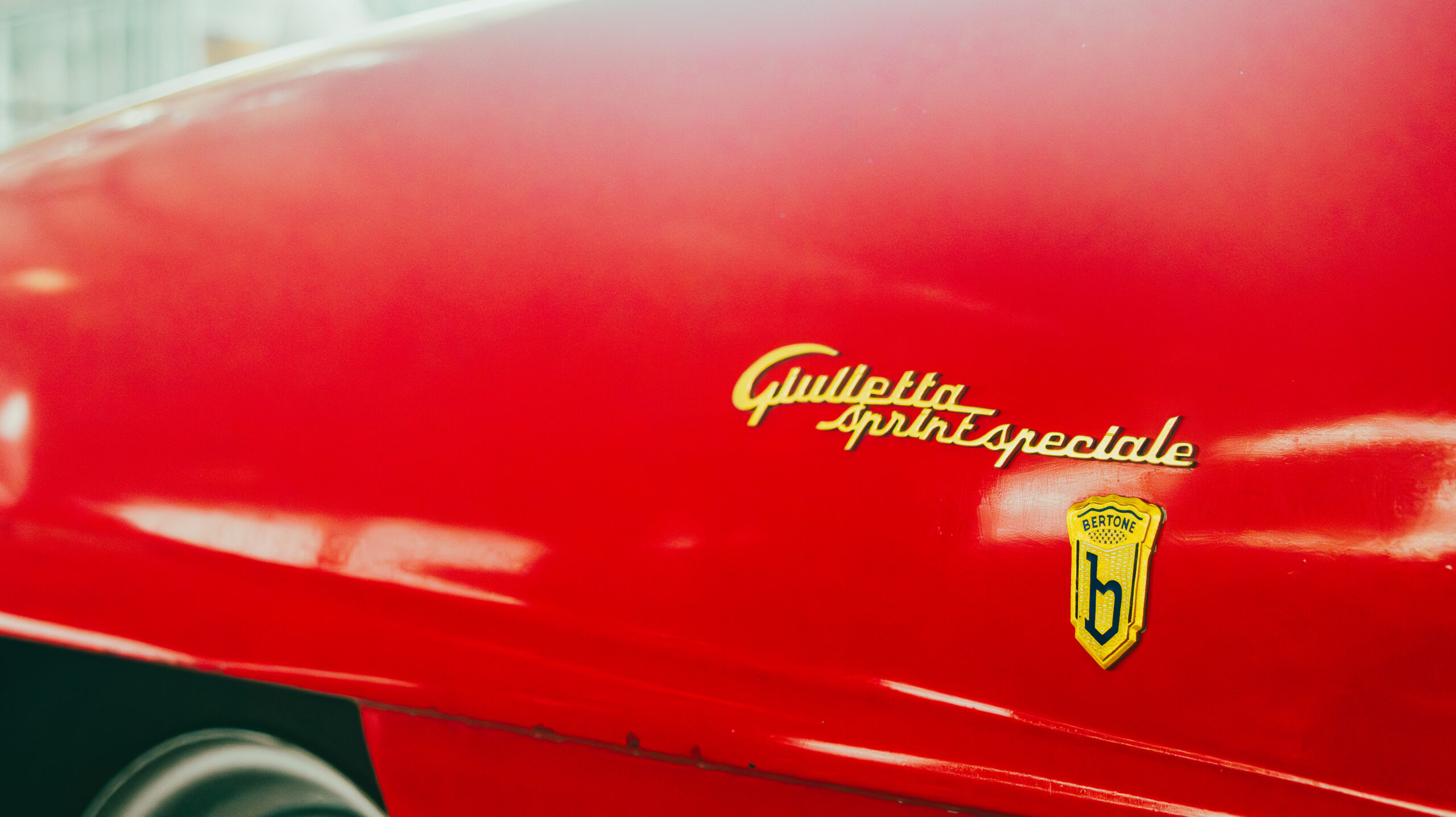
In 1970, Bertone created the radical Stratos Zero concept car without Lancia’s permission, and it was revealed to the public at the 1970 Turin Motorshow. Eventually, Lancia made a deal with Bertone to design a new, purpose-built rally car. Marcello Gandini, the designer of the Lamborghini Miura, created a doorstop-shaped, mid-engine beast. On the outside, the Stratos was all concept car. It had more flair than any racecar before or since. But the Stratos was more functional than it looked, designed for easy access to the engine and suspension, and it even had room for two helmets in the back. Lancia made a deal with Ferrari to supply the Dino V6 engine to power the Stratos.
Ferrari took several years to follow through with the deal, as they thought the Stratos was a potential competitor to the Dino 246. Ferrari didn’t need to worry—the Stratos was very expensive and impractical. Only 492 Stradale versions were reluctantly built by Lancia, often with questionable build quality, and they were a hard sell to anyone but the most hardcore drivers. After several years of homologation delays, the racecars delivered literally stratospheric results, winning the World Rally Championship in 1974, 1975, and 1976. The Stratos is an insane little wedge of a car—it drives like it looks. And that’s what makes it great.
Alfa Romeo Giulia TZ
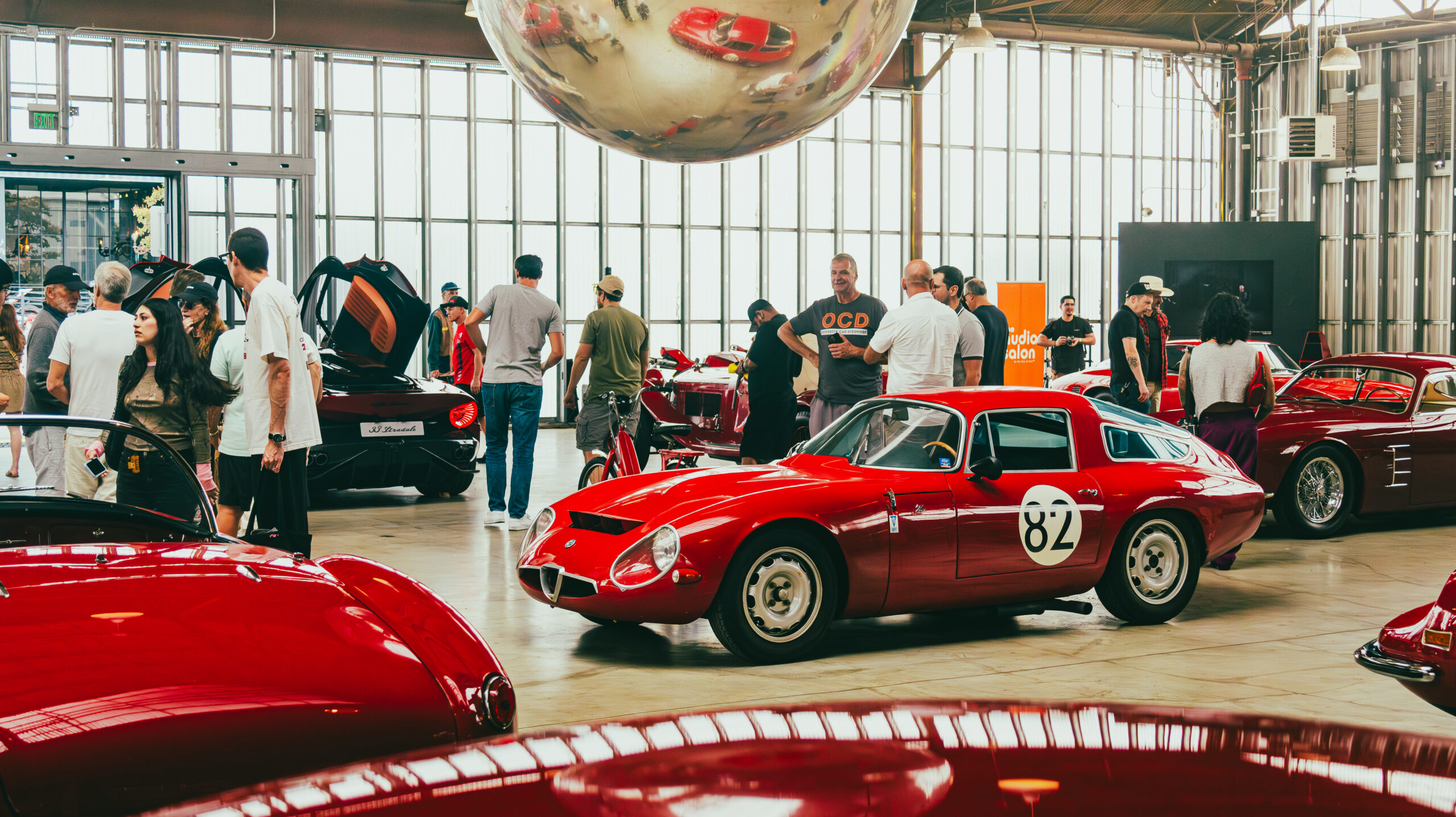
The Alfa Romeo Giulia TZ is often known as the “baby Ferrari 250 GTO”. The GTO and TZ were both excellent GT racers that could be driven to the track. Autodelta, Alfa Romeo’s racing division, designed a new chassis (TZ stood for Tubolare Zagato, meaning tubular chassis) and installed the powertrain from a Giulia. Only 112 were built, including 12 upgraded TZ2s. This TZ was owned by Alain de Cadenet, one of the coolest people in the car world. Most people knew him as a TV presenter, hosting shows like Victory By Design. He also raced Le Mans in the 70s and 80s, buliding his own cars with a small team.
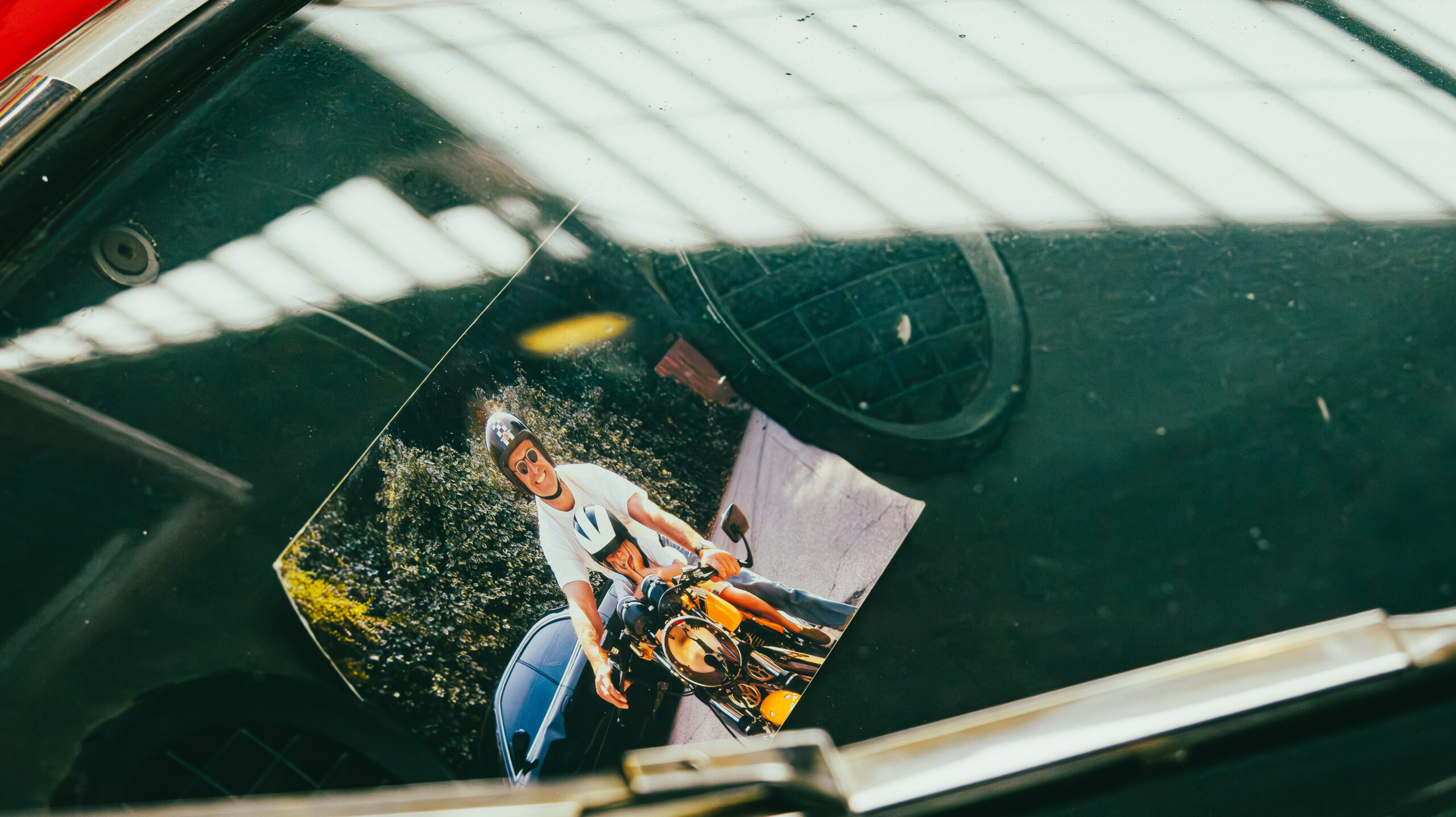
He also adored Alfa Romeos, including the TZ. Alain talked about how he wanted a TZ back in the day in the Alfa Romeo episode of Victory By Design: “When I was a kid starting to race, I wanted one of these cars so badly – I just could not afford it. Instead, I had to buy a crummy old Ferrari GTO, because you got about three Ferrari GTOs for one brand new TZ.” Alain later sold the GTO, which he obviously regretted, but he eventually got a TZ, and he used it for both road driving and racing in California. Alain kept the TZ for the rest of his life, and his son, Aidan, is now its caretaker. It was special to see the photo of Aidan and his father on the dashboard.
Ferrari 250 GT Tour de France
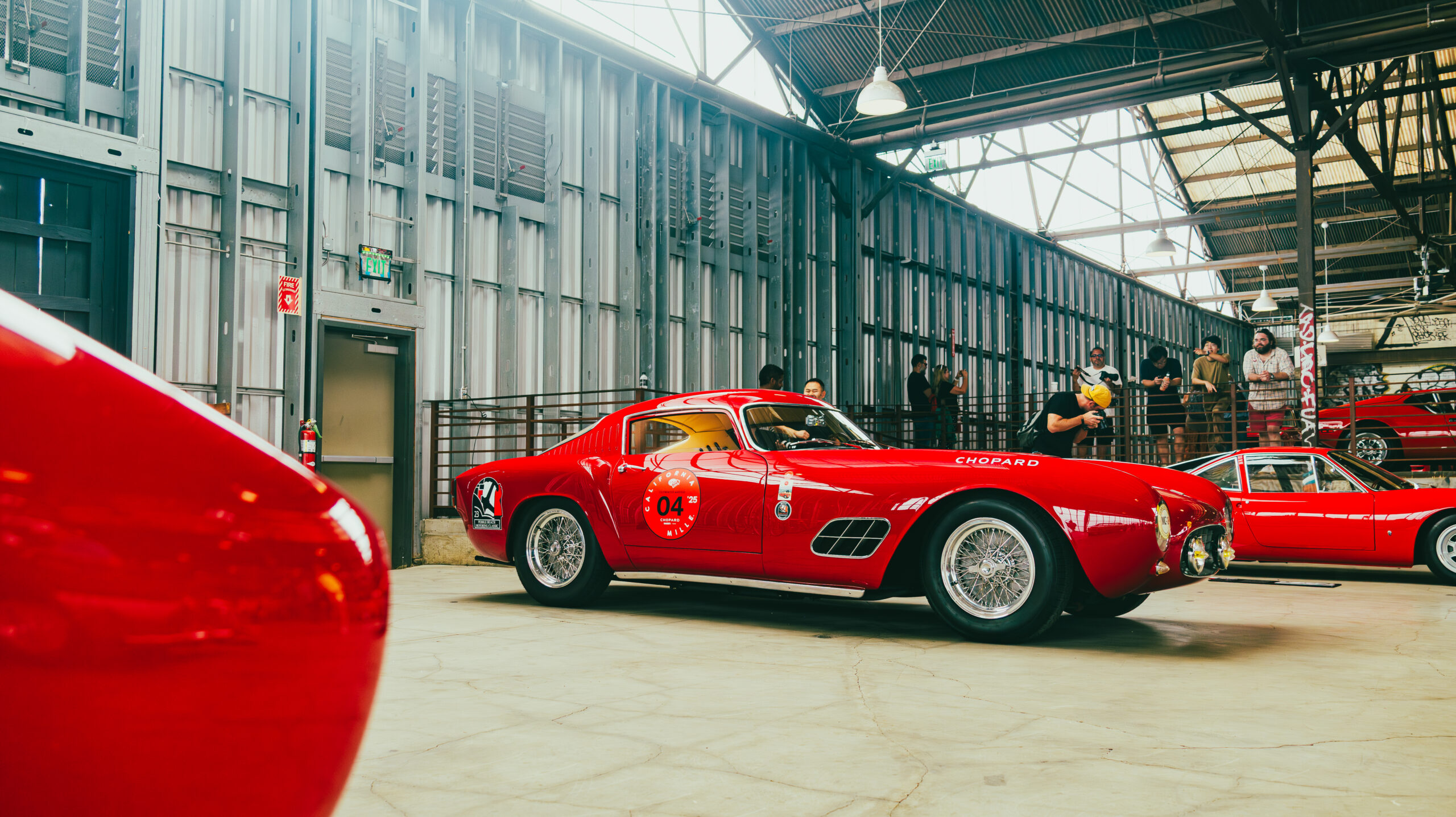
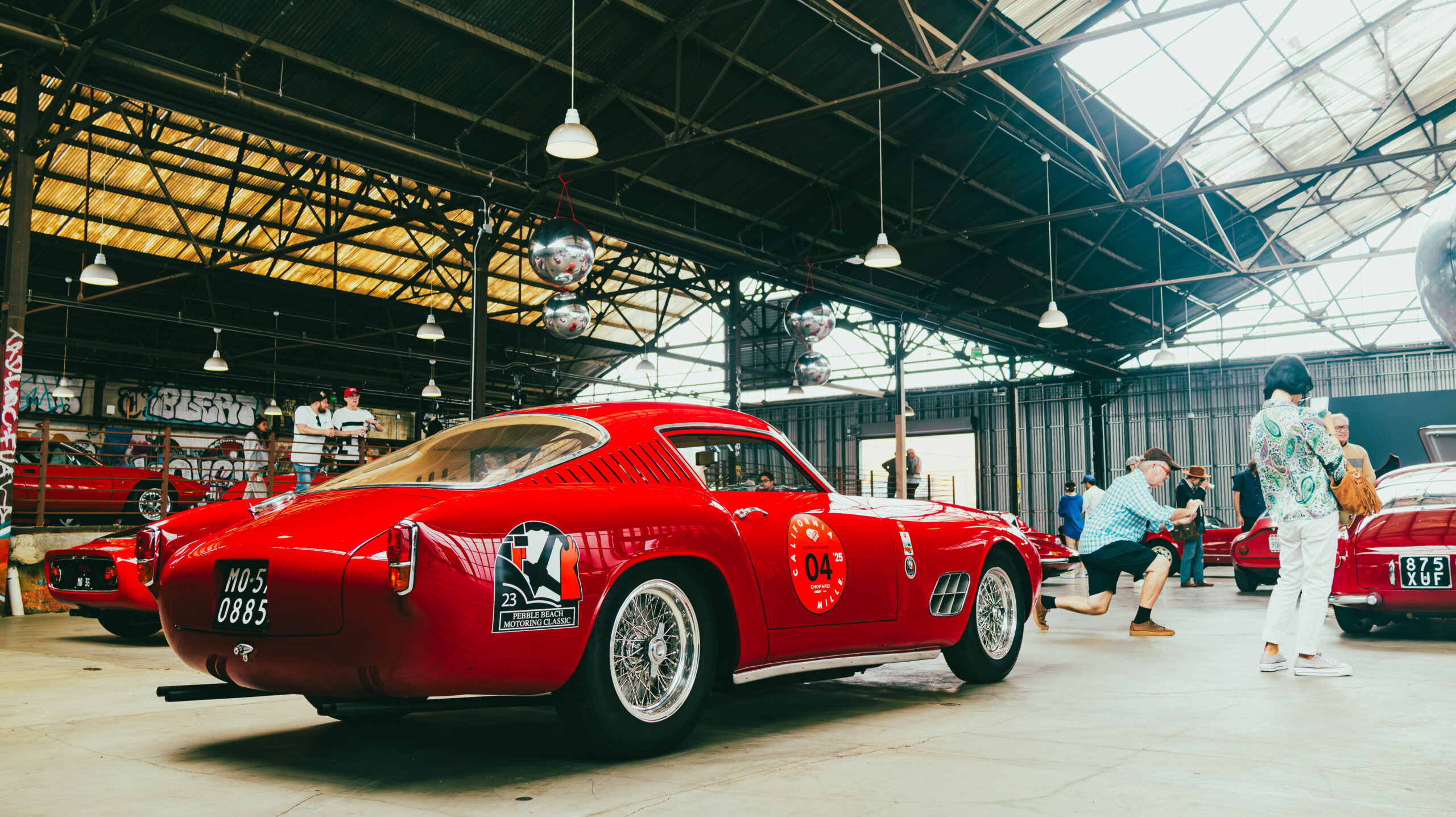
This Ferrari 250 GT Tour de France was probably the most valuable car at the show. But that hasn’t stopped its owner from driving it, as it finished both the California Mille and Pebble Beach Motoring Classic this year. That’s around 2,500 miles of driving, more than most of these cars have driven in decades. The 250 TDF was named after the Tour de France Automobile, a 2,000-mile rally across France that included hillclimbs and circuit races at tracks like Le Mans and Rouen. Ferrari 250 GTs won the Tour de France Automobile more than any other car, with six overall wins. Several versions of the TDF were built by Scagletti from 1956 to 1959. This is one of the early “14-lovure” cars, named for the 14 louvers on the sail panel. And it was even driven down the 101 freeway in traffic to get here.
Maserati A6G/54 Zagato Berlinetta
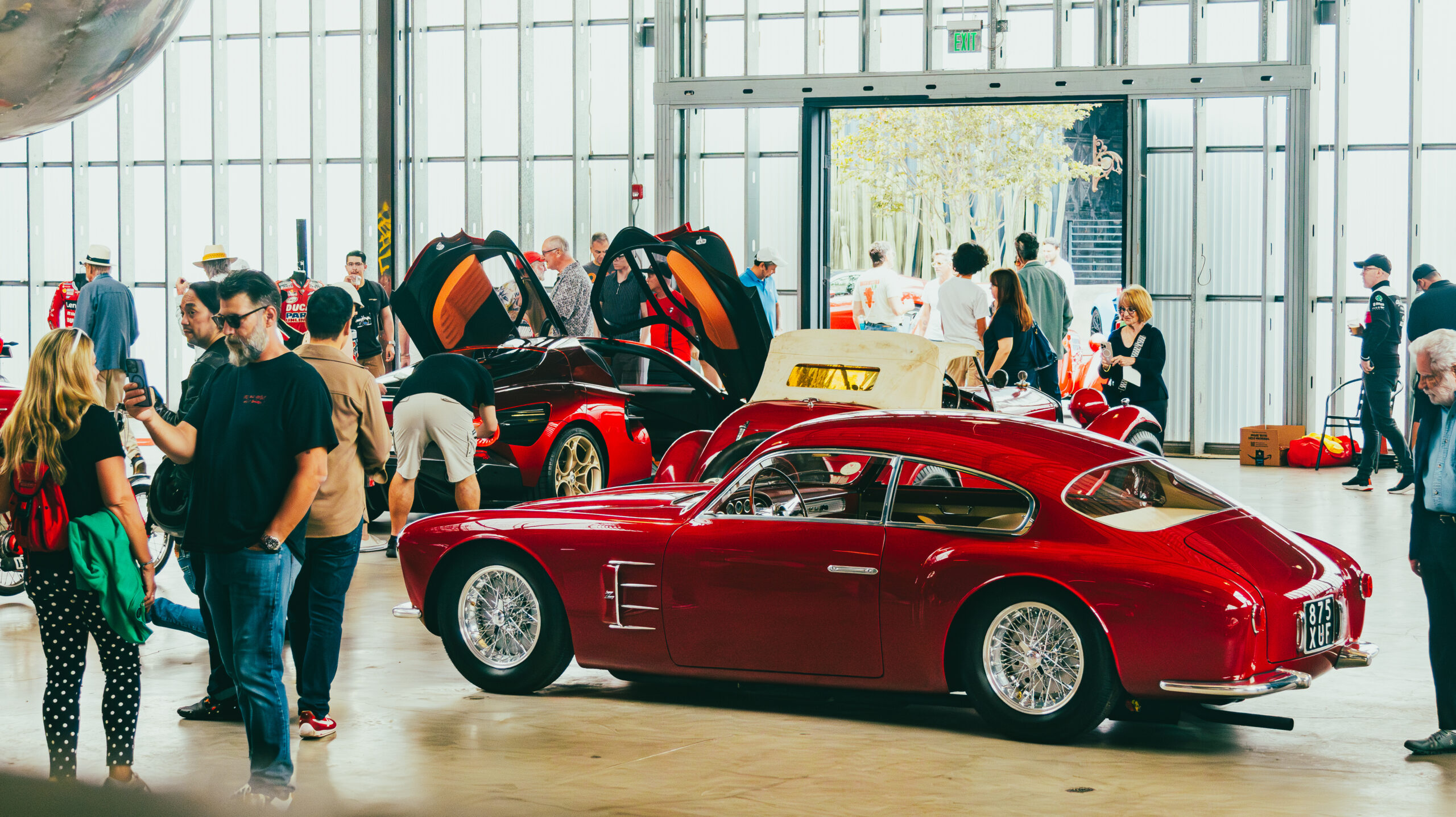
The Maserati A6G was based on the A6GCS racecar. Sixty-one chassis were built by Maserati, powered by a 2-liter inline-six that made 150 horsepower. And then bodied by several different carrozzeria, including Zagato, Pininfarina, and Touring, among others. This car appears to be a comfortable GT car, but it’s actually a proper racecar underneath. And that’s one of the reasons these cars are so desirable, as they can be entered in concours, rallies, and historic racing events. The Zagato cars are the lightest and most beautiful versions of the A6G platform. Zagato built 21 A6G Berlinettas and one Spyder, which was owned by Argentine President Juan Peron. This car is the final Zagato Berlinetta, delivered new to San Francisco. Notably, it doesn’t have the trademark Zagato double-bubble roof. This car was raced in California by its original owners, and it has been well preserved. A Buick V8 was installed in this car in the ’60s, but thankfully, the original engine was reinstalled later. This car won its class and the Most Elegant Sports Car award at the 2021 Pebble Beach Concours.
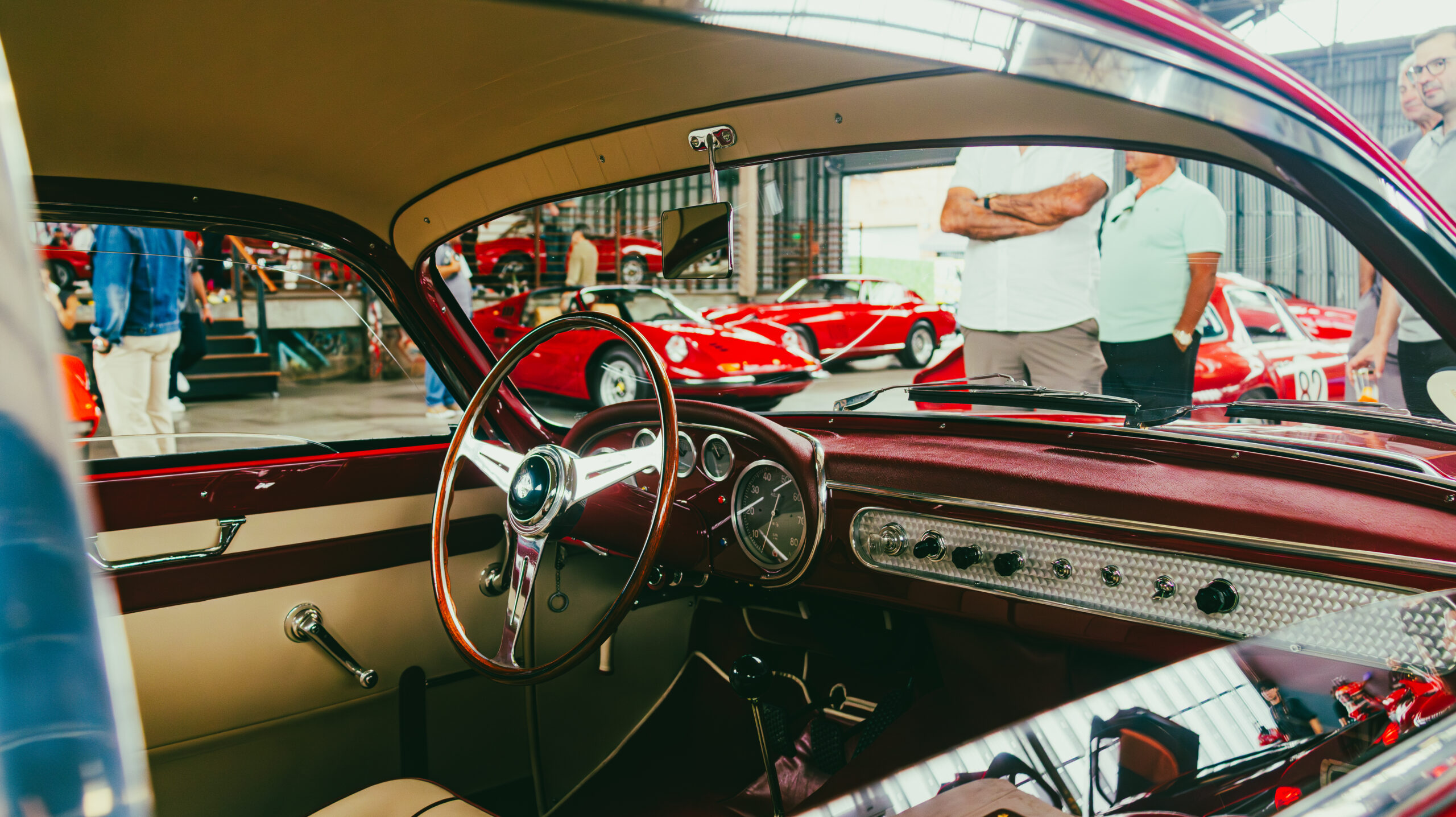
So those were a few of my favorite red cars from Macchinissima III. This was an incredible show (eating pizza while listening to Italian disco and staring at spectacular Italian cars was one of my favorite car show experiences ever), and I am very interested to see how the next one will try to top this display. Imagine a room full of Italian concept cars. Just saying…